Why 48 Teams Shatter the 2026 World Cup's Old Math
The 2026 FIFA World Cup will feature 48 teams competing across 104 matches in 16 venues spread across the United States, Mexico, and Canada, marking a 50% expansion from the 32-team format used contin...
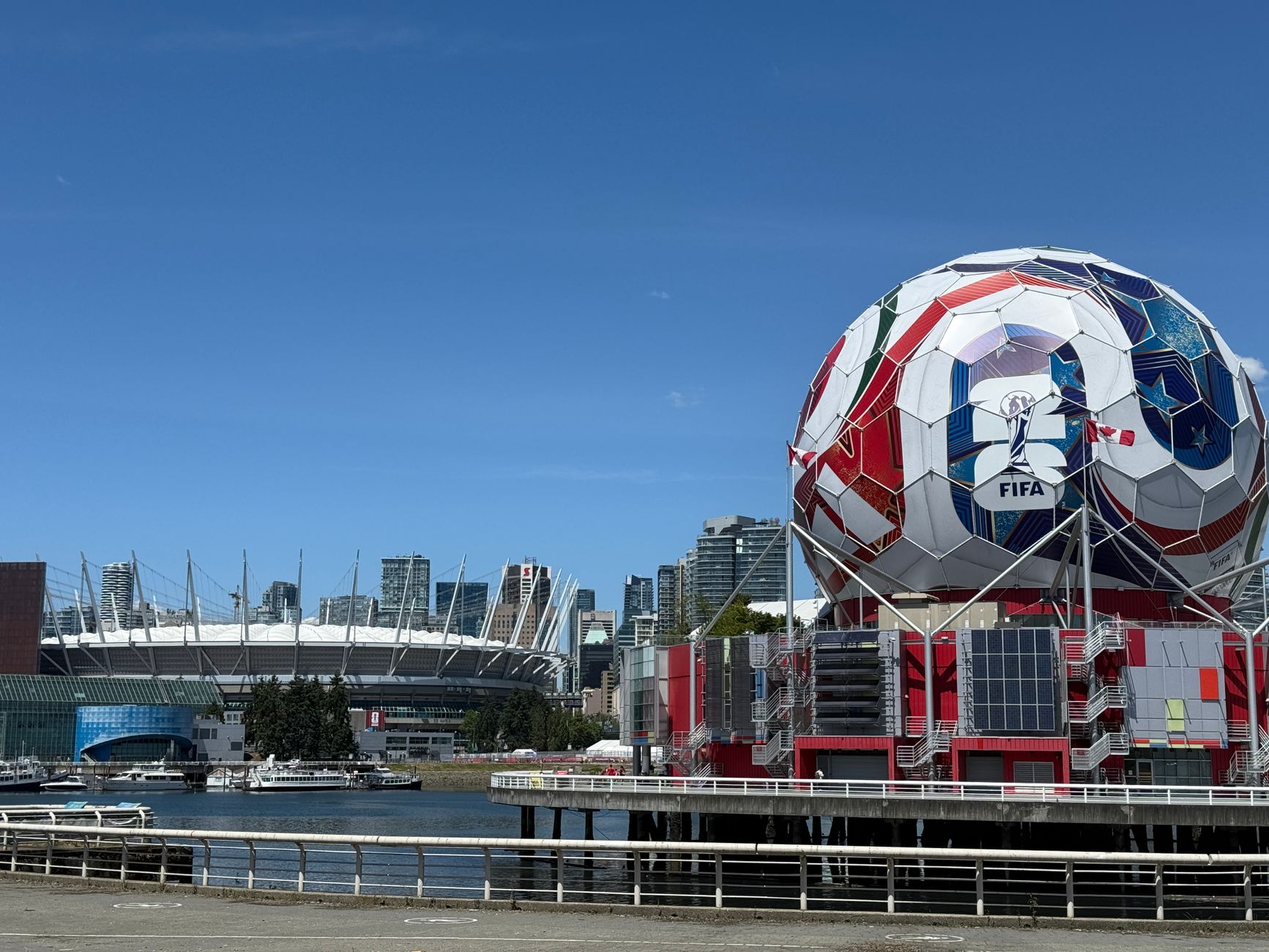
Why 48 Teams Shatter the 2026 World Cup's Old Math
The 2026 FIFA World Cup will feature 48 teams competing across 104 matches in 16 venues spread across the United States, Mexico, and Canada, marking a 50% expansion from the 32-team format used continuously since 1998. The tournament runs from June 11 to July 19, 2026, with the final scheduled at MetLife Stadium in East Rutherford, New Jersey. FIFA projects $11 billion in gross revenue, with each participating federation receiving a base payment of $9 million plus performance-based bonuses. Goal Moments has tracked every format proposal since the 2023 announcement, documenting how group-stage math shifts from 8 groups of 4 to 12 groups of 4, with 8 third-place teams advancing to a 32-team knockout bracket. The expanded field guarantees each team at least 3 matches, but the strength of early-round opponents drops measurably, as the 48th-ranked qualifier now enters a group they would not have qualified for under the previous cut-off.
Photo by The Six on Pexels
Want the full tournament breakdown as matches are confirmed?
The Quick Comparison: How Does 2026 Stack Up Against 2022?
The 2026 edition expands the field by 16 teams, extends the calendar by 10 days, and splits hosting duties across three nations, producing 63% more matches than 2022. The 32-team format used across seven editions from France 1998 to Qatar 2022 has now been retired.
| Metric | 2022 Qatar | 2026 USA / Mexico / Canada |
|---|---|---|
| Teams | 32 |
Thank you for reading.
Goal Moments · Editorial Archive