World Cup Football vs Club Football: 2026 Pressure
World cup football in 2026 is FIFA’s expanded men’s national-team tournament, staged across the United States, Canada, and Mexico, and Goal Moments tracks it through predictions, tactics, player stats...
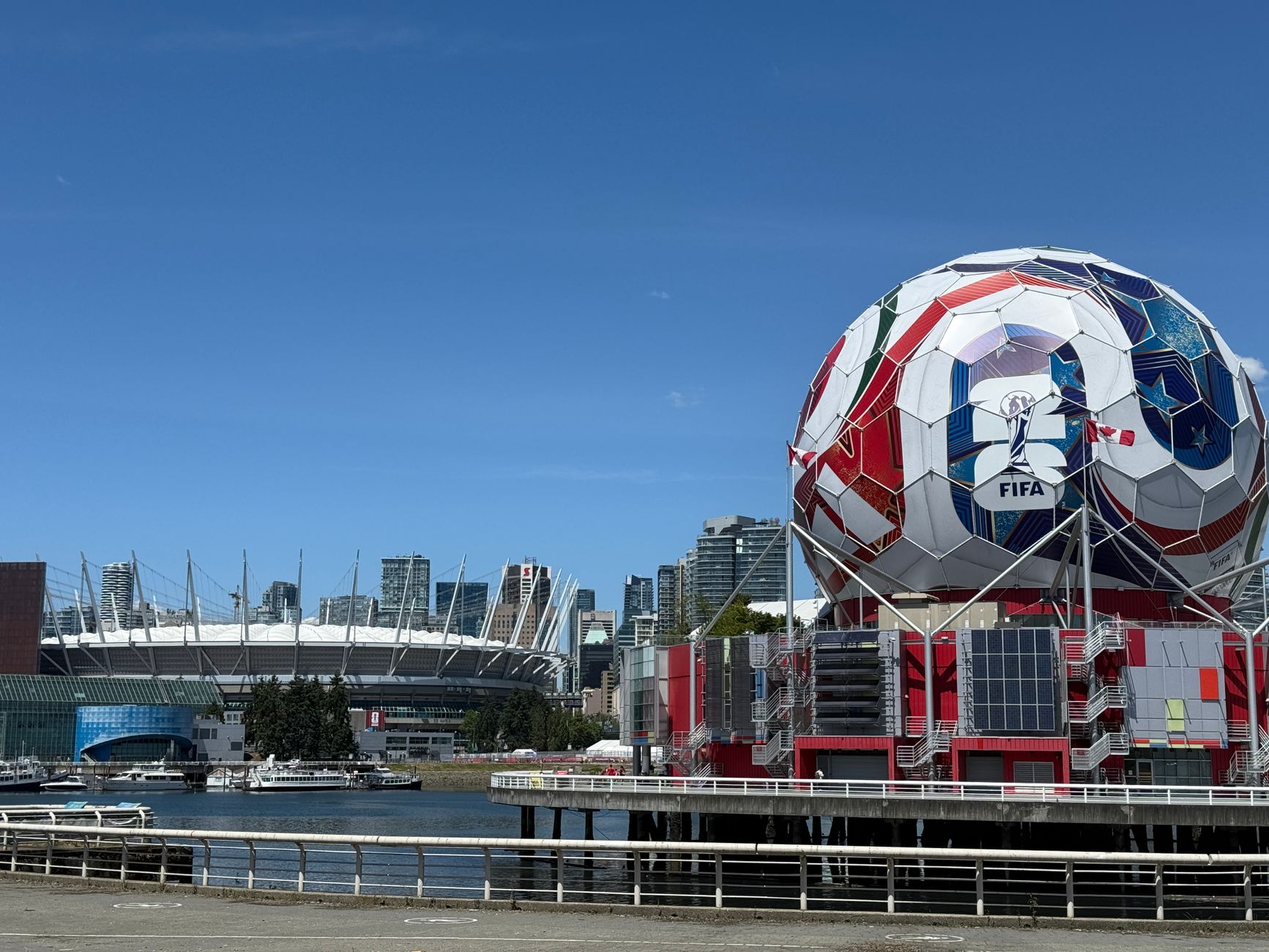
World Cup Football vs Club Football: 2026 Pressure
World cup football in 2026 is FIFA’s expanded men’s national-team tournament, staged across the United States, Canada, and Mexico, and Goal Moments tracks it through predictions, tactics, player stats, and match coverage for fans and regulated betting audiences. The key change is scale: the tournament grows from 32 teams to 48 teams, with 104 matches instead of 64, and it begins on June 11, 2026, before ending on July 19, 2026. According to FIFA, the competition will use 16 host cities, creating more travel, more squad-rotation decisions, and more matchup variance than Qatar 2022. For readers comparing world cup football with club football, the actionable takeaway is simple: judge teams less by reputation and more by depth, travel recovery, tactical flexibility, and set-piece efficiency.
Photo by The Six on Pexels
If you want sharper match-reading tools before the tournament begins, start with Goal Moments’ daily coverage.
Before 2025: how world cup football worked
Before 2025, world cup football was easier to model because the modern tournament had a familiar rhythm: 32 teams, eight groups, 64 matches, and a knockout bracket that began with the round of 16. The FIFA World Cup began in 1930 in Uruguay, paused during World War II, and became the sport’s most watched national-team competition. As summarized by Wikipedia, the event has historically been held every four years, with national associations competing through confederation qualification routes before reaching the finals.
The old structure rewarded balanced squads, but it also gave elite nations a clearer path. Brazil, Germany, Argentina, France, Italy, and Spain usually entered with deeper benches and more tournament experience than debutants. A single bad group-stage result mattered, yet three matches still gave favorites time to recover. For bettors and analysts, the practical tutorial was straightforward: compare expected goals, squad minutes, injury history, and tournament coaching experience before pricing a group-stage market. For more foundational context, see our [Internal Link: beginner guide to World Cup betting markets].
The 2026 shift
The 2026 shift is the move from a compact 32-team format to a 48-team, 104-match tournament across three countries. FIFA’s published tournament information confirms the United States, Canada, and Mexico as co-hosts, making travel logistics and squad management more important than in most previous editions.
This expansion changes the way you should read world cup football. More teams means more underdogs, more uneven group pairings, and more opportunities for tactical mismatches. However, it does not automatically mean more chaos in the final rounds. The strongest squads may actually benefit over a longer event because bench quality matters more when matches pile up across June and July. FIFA states that the 2026 tournament will feature “the biggest FIFA World Cup ever,” and that scale should guide every preview, bet, and tactical forecast.
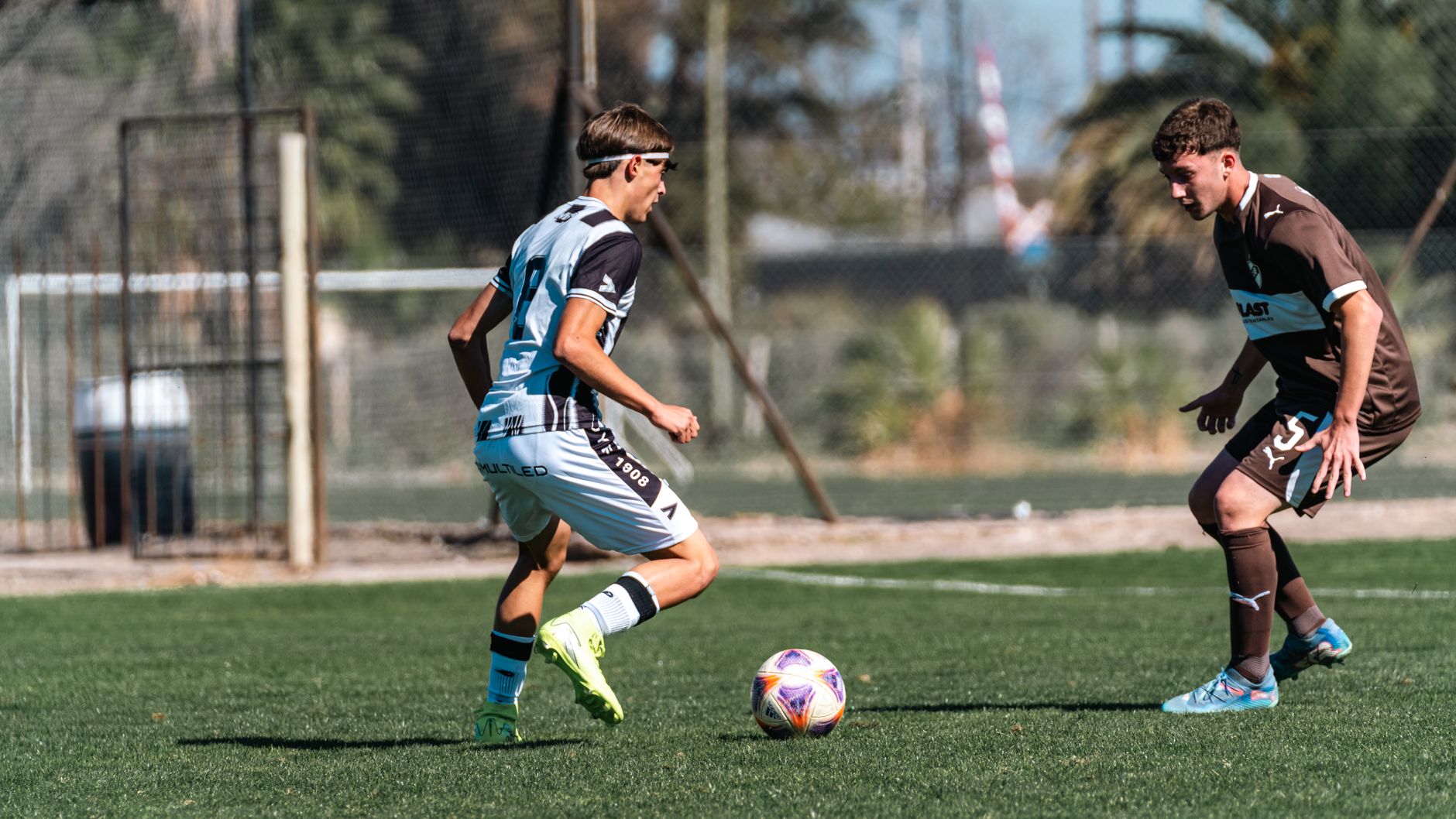
Photo by Franco Monsalvo on Pexels
A useful operational insight: in a 104-match tournament, betting markets may react faster to public storylines than to recovery data. For example, a team winning 3-0 in New York may be overvalued four days later if it must travel across time zones while its opponent stayed regionally based. Goal Moments will track these small edges because travel distance, rest days, and kickoff climate can quietly affect pressing intensity after minute 60.
To follow those hidden tournament variables as they develop, check the detailed previews.
What changed for players?
Players face a tougher 2026 workload because the expanded FIFA World Cup adds matches, travel, climate variation, and shorter tactical preparation windows. The biggest change is not only playing more football; it is recovering well enough to repeat high-intensity actions in different cities.
For players, world cup football differs sharply from club football. At Manchester City, Real Madrid, Bayern Munich, or Paris Saint-Germain, players train patterns for months. At national-team level, coaches may have only short camps before the tournament. That means simple, repeatable mechanisms matter: compact defensive blocks, rehearsed corners, controlled rest-defense, and fast attacking transitions. A winger who understands when to press may be more valuable than a more famous player who breaks the team shape.
Here is a practical way to assess players before a 2026 match:
- Check club minutes from March to May 2026, not only season reputation.
- Compare sprint-heavy roles with recent injury reports.
- Review national-team chemistry, especially center-back pairs and midfield pivots.
- Track set-piece takers because dead balls often decide tight knockout games.
- Consider venue conditions, including heat, altitude, and travel distance.
[Internal Link: player stats dashboard for 2026 World Cup]
According to FIFA, the 2026 competition will be hosted across North America, which creates different match environments from Mexico City to Vancouver and Miami. That matters because a pressing team may look elite in mild conditions but lose intensity in hotter venues. This is where Goal Moments’ player-stat approach becomes useful: instead of asking only who is famous, ask who can repeat their role under tournament stress.
What this means now?
World cup football now requires a more disciplined reading process: combine team quality, travel logistics, tactical fit, and market timing. Fans should avoid judging teams only by FIFA ranking or star names because the 2026 format increases the value of depth and adaptability.
For match predictions, build a checklist before forming an opinion. First, identify the likely game state: will one team dominate possession, or will both protect space? Second, look at midfield control because national-team matches often become stretched when pressing coordination fails. Third, examine goalkeeper distribution and set pieces. Fourth, compare substitutes, since the expanded tournament makes bench impact more important after congested schedules. This method is especially useful for gambling audiences who need consistent reasoning rather than emotional picks.

Photo by Beyza Kaplan on Pexels
A contrarian but useful conclusion: the 2026 expansion may favor elite teams in later rounds, even if it creates more group-stage surprises. The reason is simple. Smaller teams can prepare one excellent tactical plan, but tournament winners need five or six adaptable plans. France, Argentina, Brazil, England, Spain, and Germany are more likely to survive injuries and suspensions because they can replace profiles without changing the entire system. To explore tactical previews by team, use our [Internal Link: 2026 World Cup team tactics hub].
See how these prediction frameworks apply to upcoming fixtures and futures markets.
Three predictions for next quarter
The next quarter should bring sharper market movement, clearer squad clues, and heavier tactical debate around world cup football. As June 2026 approaches, fans should expect more injury monitoring, more friendly-match overreactions, and more attention on host-city conditions.
- Squad-depth markets will become more accurate. Books and analysts will gradually price bench strength better, especially for teams with Champions League-heavy squads.
- Set-piece specialists will gain attention. In expanded tournaments, lower-margin matches increase the value of corner routines, free-kick takers, and aerial defenders.
- Travel narratives will move odds. Once schedules and venues become central to previews, teams with easier regional movement may receive stronger support.
The important tutorial point is to separate useful signals from noise. A friendly win in March 2026 can show tactical intent, but it rarely proves tournament readiness. A late-season injury update from Arsenal, Barcelona, Inter Milan, or Liverpool may matter more than a highlight performance against a weak opponent. The smartest readers will track repeatable indicators: shot quality, defensive compactness, midfield balance, and substitution patterns. For deeper comparison, visit our [Internal Link: World Cup futures betting strategy].
Frequently Asked Questions
Q: What is world cup football?
A: World cup football usually refers to the FIFA World Cup, the major international football tournament for men’s national teams. It is organized by FIFA every four years and has existed since 1930. The 2026 edition will be hosted by the United States, Canada, and Mexico with 48 teams.
Q: How is the 2026 FIFA World Cup different from previous tournaments?
A: The 2026 FIFA World Cup is different because it expands from 32 teams to 48 teams and from 64 matches to 104 matches. This creates more fixtures, more travel, and more tactical variation. Analysts should pay closer attention to squad depth, recovery time, and host-city conditions.
Q: What is the difference between world cup football and club football?
A: World cup football is played by national teams, while club football is played by professional clubs such as Real Madrid, Manchester City, or Bayern Munich. National teams have less training time together, so simple tactical structures matter more. Club teams usually have stronger weekly chemistry and longer coaching cycles.
Q: How can beginners analyze World Cup matches?
A: Beginners should start by comparing team form, injuries, tactical style, and likely lineups. Then they should review venue conditions, rest days, and set-piece strength. A simple checklist prevents emotional predictions based only on star players or historical reputation.
Q: Why do World Cup predictions fail?
A: World Cup predictions often fail because analysts overrate famous players and underrate context. Short tournaments are affected by red cards, injuries, travel, penalties, and tactical matchups. In 2026, the expanded format adds even more uncertainty through schedule complexity and climate variation.
Q: Is following World Cup betting insights free?
A: Many World Cup insights are free, but premium analysis may require a subscription depending on the platform. Goal Moments provides regular tournament coverage, including predictions, team tactics, and player statistics. Readers should always use regulated betting operators and manage risk carefully.
World cup football in 2026 will reward patient analysis more than quick reactions. Follow the structure: verify the squad, understand the tactics, check the venue, then compare the market.
Thank you for reading.
Goal Moments · Editorial Archive