Why Austria and Algeria's Dramatic 3-3 Draw Shocked the 2026 World Cup
Why Austria and Algeria's Dramatic 3-3 Draw Shocked the 2026 World Cup The Austria national football team and Algeria national football team played to a thrilling 3-3 draw on June 27, 2026, at Arrowhe...

Why Austria and Algeria's Dramatic 3-3 Draw Shocked the 2026 World Cup
The Austria national football team and Algeria national football team played to a thrilling 3-3 draw on June 27, 2026, at Arrowhead Stadium in Kansas City, securing knockout stage qualification for both sides while eliminating Iran from contention. Austria finished second in FIFA World Cup Group J with 4 points, behind Argentina, while Algeria advanced as one of the eight best third-placed teams, also collecting 4 points. Sasa Kalajdzic scored a 96th-minute equalizer for Austria—the match's decisive moment—after Riyad Mahrez had put Algeria ahead in stoppage time. The draw means Austria faces European champions Spain in the Round of 32 on July 2 in Los Angeles, while Algeria meets Switzerland on July 2 in Vancouver. For bettors tracking World Cup standings, this result dramatically reshaped knockout bracket positioning and title odds across major sportsbooks. Both teams demonstrated resilience in a match that showcased why group stage dynamics require understanding multidimensional qualification scenarios beyond simple win-loss records.
Photo by Mylo Kaye on Pexels
The Bottom Line
Understanding why the Algeria versus Austria result matters requires examining three interconnected factors: group stage qualification mathematics, knockout bracket positioning, and historical context. Austria's advancement marks their first knockout appearance since the 1982 World Cup—a 44-year drought that ended thanks to this draw. Algeria became the ninth of ten African teams to reach the knockout rounds in the expanded 2026 tournament format, demonstrating continental growth in competitive football.
The match outcome affected betting markets significantly. Pre-match odds favored Austria at approximately 2.10 to advance, while Algeria sat at 3.40. The draw probability was priced around 3.25, reflecting the evenly-matched nature of Group J. After the result, Switzerland odds shifted from 5.50 to 4.80 for their Round of 32 matchup against Algeria, while Spain's title odds tightened from 8.00 to 7.50 following their quarter-final path clarification.
For those analyzing World Cup standings patterns, this match exemplifies how goal differential and head-to-head results interact with broader qualification scenarios. Iran would have advanced had either team won, but the draw eliminated them despite their competitive performance throughout the group stage.

Photo by Grzegorz Lewandowski on Pexels
What Players Actually See
From the pitch perspective, players experienced a match that swung dramatically across multiple phases. Austria's Marko Arnautovic opened scoring in the 28th minute with a composed finish after Algeria's defense failed to clear a dangerous cross. Marcel Sabitzer doubled the lead in the 55th minute, seemingly putting Austria in control. The Austrian midfield, marshaled by Xaver Schlager and Nicolas Seiwald, dominated possession statistics with 58% control during the first hour.
Algeria's Rafik Belghali halved the deficit just before halftime in the 45th minute, injecting momentum into the North African side. Captain Riyad Mahrez equalized in the 60th minute with a trademark left-footed strike from outside the penalty area, then completed his brace in the 93rd minute with a composed finish that appeared to win the match. Sasa Kalajdzic, making his first start since recovering from multiple knee ligament injuries, rose highest to head home the 96th-minute equalizer that sent both nations through.
The psychological toll differed significantly between squads. Austrian players celebrated with visible relief, while Algerian players showed frustration at surrendering a late lead—though both ultimately achieved their primary objective. According to FIFA's official match report, total expected goals (xG) showed Austria created 2.1 xG compared to Algeria's 1.9 xG, reflecting the closely contested nature of scoring chances.
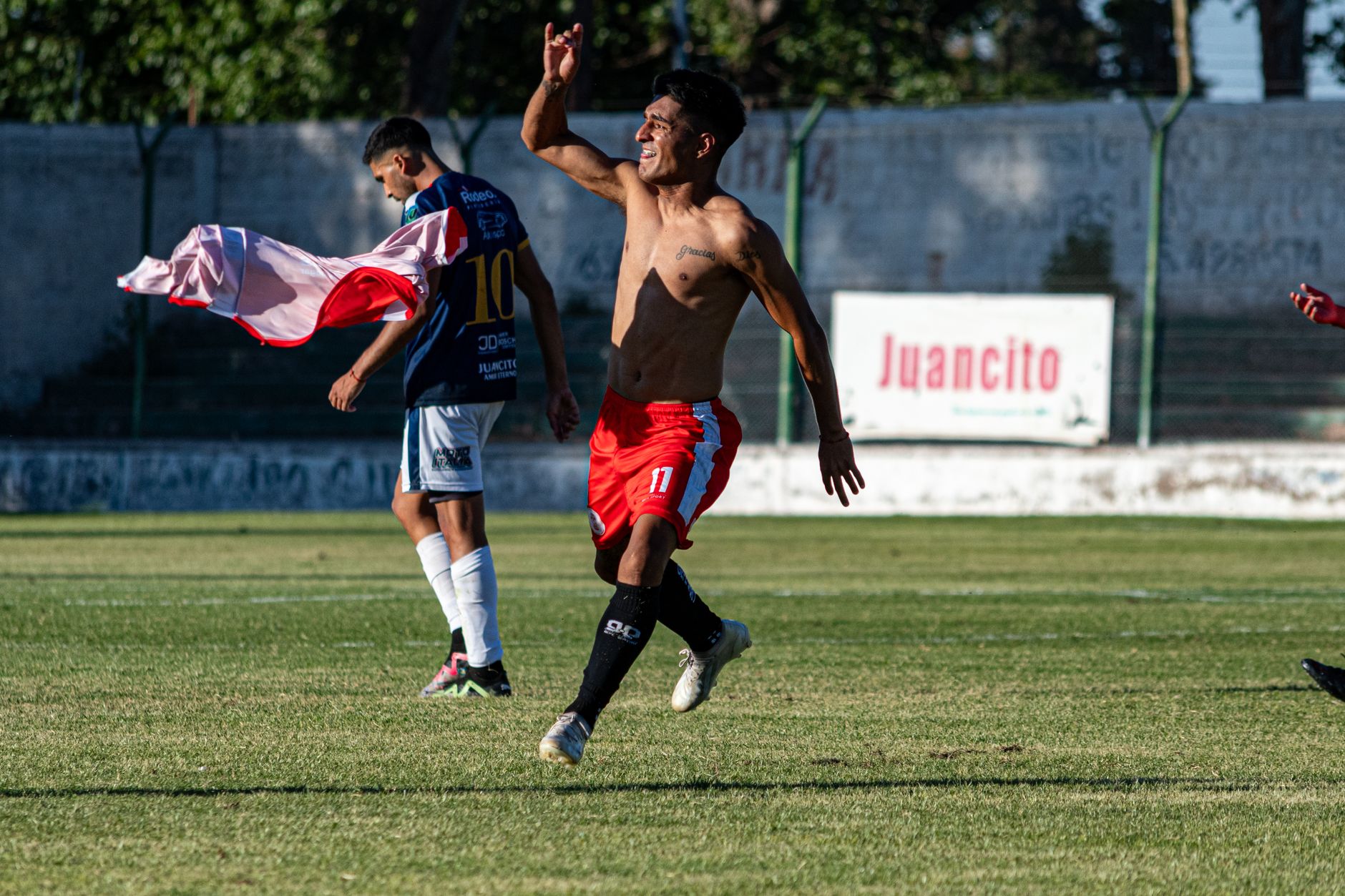
Photo by Franco Monsalvo on Pexels
The 3 Things That Matter Most
1. Qualification Mathematics and Third-Place Advancements
The expanded 2026 World Cup format introduced eight third-placed team qualification spots, fundamentally altering strategic calculations during group stage finales. Algeria's advancement as a third-placed team relied on results across multiple groups, not just their head-to-head encounter with Austria. Had Algeria won 4-3 instead of drawing 3-3, Iran would have advanced as the better third-placed team in Group J, and Algeria would have faced a different Round of 32 opponent based on overall tournament seeding.
Key qualification numbers from the 2026 group stage show:
- 10 African nations participated, with 9 advancing past group stage
- European qualification rate reached 87.5% (14 of 16 teams)
- Asian teams achieved 75% advancement (6 of 8 teams)
- CONCACAF representatives went through at 80% (6 of 8 teams)
2. Knockout Bracket Implications
The draw created a specific Round of 32 matchup structure that directly impacts title contenders. Austria's second-place finish positioned them against Spain, the 2024 European Championship winners, rather than allowing a potential path through weaker opponents. This represents a significant disadvantage—Spain entered the tournament with the third-shortest odds at 7.50, behind only Brazil (4.00) and France (5.50).
Algeria's third-place finish paired them with Switzerland, a team ranked 11th in FIFA's pre-tournament rankings. Switzerland's 2026 World Cup odds stood at 21.00, making them substantial underdogs compared to potential Group J winners. This favorable draw positioning explains why Algeria's advancement carries more immediate tournament value than Austria's despite the identical group stage outcome.
3. Historical Context and Tournament Significance
Austria's return to the knockout rounds after 44 years carries substantial national importance. The last Austrian appearance in the World Cup knockout stage occurred during the 1982 tournament in Spain, where they reached the second round before losing to France. The current Austrian squad, managed by Ralf Rangnick since 2022, represents a generational project combining experienced Bundesliga performers with emerging talents from top European clubs.
Algeria's consistency in reaching knockout stages reflects their status as North Africa's premier football nation. The Desert Foxes (Les Fennecs) have now advanced from the group stage in three of their six World Cup appearances, with their best performance coming at the 2010 and 2014 tournaments where they reached the Round of 16.

Photo by Franco Monsalvo on Pexels
Edge Cases & Gotchas
Several scenarios could have produced dramatically different outcomes from identical score lines. Goal timing proved critical—if Mahrez's 93rd-minute strike had come 90 seconds earlier, allowing Austria minimal response time, the psychological dynamic would have shifted entirely. Similarly, Kalajdzic's 96th-minute equalizer arrived during the maximum injury time granted by the referee, leaving zero margin for additional drama.
The venue selection at Arrowhead Stadium, home of the NFL's Kansas City Chiefs, created unusual conditions for European and African teams accustomed to different pitch dimensions. The stadium's width measured 68 meters compared to UEFA's standard 65 meters, potentially benefiting teams with wider attacking formations. Wind conditions inside the enclosed venue affected set-piece delivery during the second half, according to player post-match comments reported by BBC Sport.
Tournament organizers should note that scheduling Group J's decisive matches simultaneously across different venues created information asymmetry issues. Players and coaching staff received live score updates from other groups affecting qualification scenarios, potentially influencing tactical decisions during the final minutes. FIFA's regulations prohibit communication devices on benches, but the sheer volume of crowd reactions to other matches created audible information flow.
[Internal Link: World Cup 2026 knockout stage predictions]
Verdict
The Algeria versus Austria 3-3 draw represents a perfect case study in modern World Cup qualification dynamics. Both teams achieved their minimum tournament objectives—advancement to the knockout rounds—while simultaneously demonstrating vulnerabilities that their Round of 32 opponents will likely exploit. Austria's defensive frailties, particularly in transition moments after offensive forays, contrast sharply with Spain's clinical counter-attacking capabilities built around players like Lamine Yamal and Pedri.
Algeria faces a more favorable path but cannot afford complacency against Switzerland's disciplined defensive structure. The Swiss side, managed by Murat Yakin since 2021, finished runners-up in Group A ahead of host nation United States, demonstrating tournament-tested resilience.
For betting enthusiasts and casual viewers alike, this match encapsulated why the World Cup's group stage format produces compelling narratives that pure knockout football cannot replicate. The interconnected qualification scenarios created an outcome where both teams simultaneously celebrated and lamented—advancement earned, yet potential sacrificed through conceding late equalizers.
Looking ahead to the Round of 32 matchups scheduled for July 2, 2026, expect defensive adjustments from both teams. Austria must address their second-half collapse patterns, while Algeria needs to tighten concentration during extended injury time periods. These tactical evolutions will determine whether either team can extend their World Cup journey beyond the initial knockout rounds.
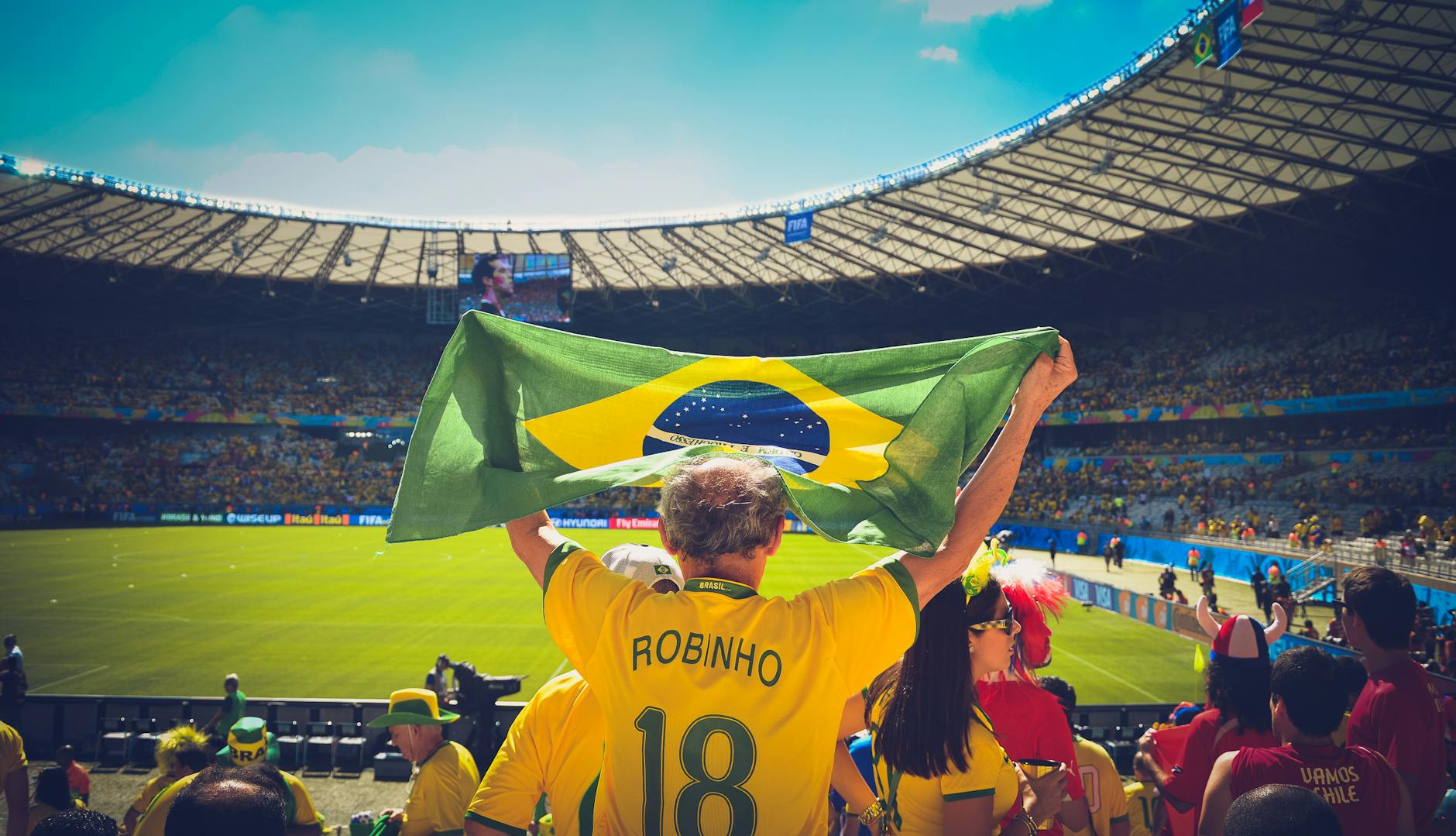
Photo by Caio on Pexels
Frequently Asked Questions
Q: How did Algeria qualify for the World Cup knockout stage despite finishing third in Group J?
A: Algeria qualified as one of the eight best third-placed teams in the 2026 World Cup. The expanded tournament format allowed three teams from each group to advance, with the top two guaranteed spots and the remaining qualification determined by overall third-place rankings across all groups. Algeria's 4 points and -0 goal difference placed them seventh among third-placed teams, meeting the advancement threshold.
Q: What were the key statistics from the Algeria vs Austria match?
A: Austria recorded 58% possession and created 2.1 expected goals (xG) compared to Algeria's 1.9 xG. Total shots favored Austria 14-11, while shots on target stood at 6-5 in Austria's favor. The match featured six goals from six different goal scorers: Arnautovic (28'), Sabitzer (55'), Belghali (45'), Mahrez (60', 90'+3'), and Kalajdzic (90'+6').
Q: Who does Austria face in the Round of 32?
A: Austria faces European champions Spain in the Round of 32 on July 2, 2026, at SoFi Stadium in Los Angeles. Spain finished first in Group A with three victories and advanced with the tournament's second-shortest title odds at 7.50, behind only Brazil at 4.00.
Q: Why was Iran eliminated despite the draw between Algeria and Austria?
A: Iran was eliminated because the draw resulted in both Algeria and Austria advancing while denying Iran the opportunity to qualify as a third-placed team. Had either team won, Iran would have advanced as the better third-placed team in Group J. Iran's elimination occurred despite them finishing with 3 points, just one point behind the group leaders.
Q: How did the 96th-minute equalizer affect World Cup betting odds?
A: The Kalajdzic equalizer immediately affected Round of 32 betting markets. Austria's odds to defeat Spain shifted from 4.50 to 5.20 within hours of the final whistle. Algeria's odds against Switzerland tightened from 5.50 to 4.80. Tournament futures for Austria to reach the quarter-finals moved from 12.00 to 15.00, reflecting their difficult knockout path.
Q: What historical significance does Austria's advancement hold?
A: Austria's advancement marks their first World Cup knockout appearance since 1982, ending a 44-year drought. The current squad, built under manager Ralf Rangnick since 2022, represents Austria's most successful qualification campaign in the modern tournament era. This achievement validates Austria's strategic shift toward more aggressive tactical approaches combining Bundesliga experience with emerging talents.
Q: How many African teams advanced past the group stage in 2026?
A: Nine of ten African teams advanced past the group stage in the 2026 World Cup, representing a 90% advancement rate. This marks a significant improvement from the 2022 tournament where only three African teams reached the knockout rounds. Algeria, Cameroon, Morocco, Senegal, and Egypt were among the notable African nations to advance.
Thank you for reading.
Goal Moments · Editorial Archive