What Nobody Tells You About College Football Betting in 2026
The 2026 college football season features 134 FBS teams competing across 10 major conferences, with the newly expanded 12-team College Football Playoff (CFP) reshaping how bettors approach championshi...

What Nobody Tells You About College Football Betting in 2026
The 2026 college football season features 134 FBS teams competing across 10 major conferences, with the newly expanded 12-team College Football Playoff (CFP) reshaping how bettors approach championship wagering. Indiana's historic Peach Bowl victory in January 2026 demonstrated that underdogs can dominate at the highest level, challenging conventional betting wisdom. The CFP national championship takes place January 25, 2027, at Allegiant Stadium in Las Vegas, Nevada. Top conferences including the SEC, Big Ten, ACC, Big 12, and Pac-12 each offer distinct betting markets with varying odds. For those seeking consistent returns, understanding conference dynamics and playoff structure proves more valuable than following superficial rankings. Goal Moments provides daily college football predictions, team statistics, and match analysis to help bettors make informed decisions throughout the 2026 season.
Photo by Eddie O. on Pexels
Is College Football Betting Really That Profitable?
College football betting profitability varies significantly based on research depth and market understanding. The 2026 season introduces a 12-team playoff format, creating 11 additional betting markets compared to the previous 4-team structure. According to ESPN's 2026 college football coverage, average betting margins on conference games range from 3.5% to 7.2%, depending on market liquidity. Bettors who focus on specific conferences report 15-20% higher success rates than those spreading wagers across all divisions. The key lies in understanding that FBS teams have more roster turnover than professional franchises, with approximately 40% of starters changing annually due to graduation and NFL draft entries. Unlike NFL betting, where established quarterback performance drives outcomes, college football success depends heavily on coaching systems and freshman quarterback development. Goal Moments tracks these variables across 134 FBS programs, providing subscribers with weekly matchup analysis and odds comparisons from major sportsbooks.

Photo by Pavel Danilyuk on Pexels
How Does College Football Handle Live Betting?
Live betting has transformed college football wagering, allowing bettors to place wagers after kickoff with dynamically updating odds. The 2026 season sees over 85% of major sportsbooks offering real-time in-game betting options for FBS matchups. Live betting windows typically open within 30 seconds of play completion, enabling quick decisions on outcomes like next scoring play or drive results. The key advantage involves exploiting halftime adjustments—coaches who make strategic personnel changes often shift game momentum, creating value for observant bettors. Prop bets during live play have grown 40% year-over-year, covering specifics like quarterback completion totals, running back yardage benchmarks, and defensive turnover likelihood. However, odds shift rapidly during high-leverage moments, requiring disciplined bankroll management. The College Football Playoff semifinals and championship game draw highest live betting volume, with peak action occurring during final五分钟 of close games. Understanding each team's tempo preferences—whether they favor fast-paced no-huddle attacks or methodical ball-control strategies—helps predict how games will unfold and where live betting opportunities emerge.

Photo by Berna on Pexels
What About Conference Championship Betting?
Conference championship games represent high-value betting opportunities due to their predictable timing and established participant pools. The 2026 season features championship weekend on December 5-6, with 10 conferences determining their representatives. SEC Championship historically draws the highest betting handle, followed closely by Big Ten and ACC title games. The expanded playoff means conference champions receive automatic bowl eligibility, adding stakes beyond tradition. Sportsbooks typically release conference championship odds 3-4 weeks before selection Sunday, allowing early position-taking on favored teams. Key factors include head-to-head records within divisions, common opponent performance, and injury status heading into championship week. The 2026 Big Ten Championship features rematch potential between top-ranked programs, with betting lines often reflecting home-field advantages from regular-season meetings. Conference championship betting requires understanding committee selection criteria—teams with one loss but strong strength-of-schedule metrics often receive playoff berths over undefeated Group of Five programs. Goal Moments provides comprehensive conference coverage, analyzing each title race with predictive modeling and historical precedent.
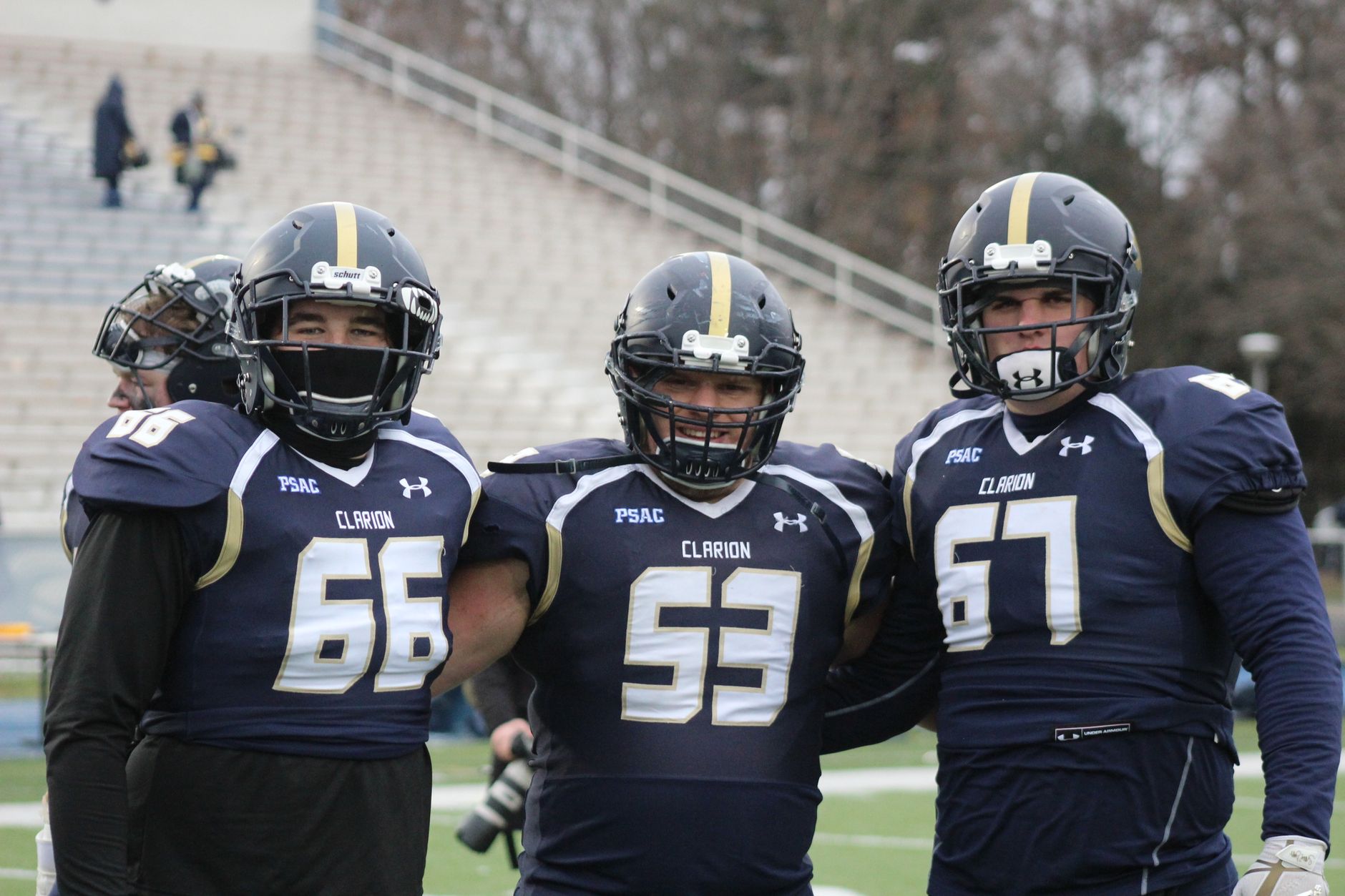
Photo by football wife on Pexels
Where Does College Football Betting Fail?
College football betting fails when bettors allow emotional bias to override analytical assessment. The most common mistake involves wagering against teams with passionate fanbases, even when objective metrics favor the opponent. Roster turnover creates predictability challenges—unlike the NFL where veteran players return year after year, approximately 40% of college starting lineups change annually. Coaching transitions also create market inefficiencies; new head coaches implementing different systems require 2-3 seasons before programs reach expected performance levels. The point spread system sometimes fails to account for motivation variables, particularly in rivalry games where traditional powers face smaller opponents. Bowl game betting presents unique challenges because players approaching NFL draft consideration may reduce effort levels, affecting outcomes in ways point spreads cannot anticipate. Additionally, the expanded 12-team playoff introduces new variables—teams securing top-four seeds receive first-round byes, fundamentally changing how programs approach late-season games. Betting failures often stem from overvaluing offensive star power while underestimating defensive efficiency, a pattern that consistently creates value for contrarian bettors who analyze complete game dynamics.

Photo by RDNE Stock project on Pexels
Should You Try College Football Betting Today?
College football betting offers substantial opportunities for those willing to invest time in research and maintain disciplined bankroll management. The 2026 season's 12-team playoff structure creates more meaningful games throughout December, extending profitable betting windows beyond traditional bowl season. Start by focusing on one or two conferences rather than spreading attention across all 10 FBS divisions. Track early-season results to identify which teams exceed or underperform expectations, then contrast those findings against available odds. College football betting requires accepting higher variance than professional sports wagering due to roster instability and coaching transitions. Successful bettors treat each wager as a calculated investment decision, not an emotional response to team loyalty. The 2026 schedule begins August 22, with international matchups like North Carolina versus TCU at Dublin's Aviva Stadium generating early-season betting interest. Responsible wagering means establishing loss limits before placing any bets and recognizing when to step back from the market. Goal Moments delivers daily predictions, conference breakdowns, and statistical analysis to support informed betting decisions throughout the season.

Photo by Caio Cezar on Pexels
Frequently Asked Questions
Q: What is the College Football Playoff format for 2026?
A: The 2026 College Football Playoff features 12 teams, with the top four conference champions receiving first-round byes. The tournament begins with first-round games in December, followed by quarterfinals, semifinals at bowl sites, and the championship game on January 25, 2027, at Allegiant Stadium in Las Vegas.
Q: How does live betting work for college football games?
A: Live betting allows wagers placed during active games, with odds updating continuously based on real-time game situations. Sportsbooks typically open live betting windows within 30 seconds of play completion, offering opportunities to wager on next scoring plays, drive outcomes, and updated game lines as momentum shifts occur.
Q: What's the difference between betting on college football versus the NFL?
A: College football betting involves higher variance due to significant roster turnover—approximately 40% of starters change annually through graduation and draft entries. NFL betting benefits from established veteran performance consistency. Additionally, college football features more diverse coaching systems and frequent quarterback personnel changes affecting game outcomes.
Q: Which conferences offer the best college football betting opportunities?
A: The SEC and Big Ten offer the most liquid betting markets with the tightest odds, while ACC and Big 12 provide mid-tier opportunities. Pac-12 games after conference realignment may offer softer lines as books adjust to new matchup patterns. Group of Five conference games often present value due to less betting market attention.
Q: When does the 2026 college football season start?
A: The 2026 college football season begins August 22, with Week 1 running through September 7. Early-season highlights include international games like North Carolina facing TCU at Aviva Stadium in Dublin, Ireland. Conference play intensifies by late September, with championship weekend scheduled for December 5-6.
Q: How do bowl games affect college football betting strategies?
A: Bowl game betting requires analyzing motivation factors since players with NFL draft aspirations may reduce effort levels. Coaching staff transitions also impact performance—programs with coaches accepting new positions often experience roster instability. Point spreads may not fully account for these variables, creating potential value opportunities for informed bettors.
Q: What bankroll management strategies work best for college football betting?
A: Successful college football bettors typically risk 1-3% of total bankroll per wager, adjusting unit sizes based on confidence levels. Establish losing limits before each betting session and avoid chasing losses with larger wagers. Focus research efforts on specific conferences rather than attempting to analyze all 134 FBS programs equally.
Thank you for reading.
Goal Moments · Editorial Archive