What Nobody Tells You About Cape Verde's Rise in African Football
The Cape Verde national football team, nicknamed "The Blue Sharks," has transformed from a FIFA-ranked afterthought in 1982 to a competitive force that qualified for the Africa Cup of Nations three ti...

What Nobody Tells You About Cape Verde's Rise in African Football
The Cape Verde national football team, nicknamed "The Blue Sharks," has transformed from a FIFA-ranked afterthought in 1982 to a competitive force that qualified for the Africa Cup of Nations three times since 2013. This Atlantic archipelago of just 500,000 people punches far above its weight, securing victories against teams with vastly superior resources. The Seleção Caboverdiana, managed by coaches like Bibiano Sheka, competes at Estádio Nacional in Praia and has produced players who feature in European leagues. For fans following the 2026 World Cup qualification cycle, understanding Cape Verde's tactical identity and squad dynamics reveals why they remain dangerous opponents despite their minnow status.
Photo by Brendon Spring on Pexels
If you want to understand why Cape Verde consistently frustrates larger nations, examine their defensive structure first. Coach João Santiago implemented a 4-4-2 block that transforms into a 5-4-1 when defending, forcing opponents to break down organized low blocks. The Blue Sharks excel at counter-attacks, utilizing wing-backs Ryan Mendes and Jefre Semedo to deliver crosses to striker Garry Rodrigues. This system explains their 2-0 upset against Nigeria during 2013 AFCON qualification, a result that shocked African football.

Photo by Francesco Paggiaro on Pexels
If you prefer analyzing individual talent, focus on goalkeeper Vozinha, who accumulated over 40 caps despite playing in lower Portuguese divisions. Vozinha's shot-stopping ability compensates for limited defensive quality, and his command of the penalty area disrupts opposing attacks. Midfielder Carlos Pedro provides creative spark from deep positions, completing 87% pass accuracy in recent qualification matches. These individuals embody Cape Verde's resourcefulness, maximizing talent development despite budget constraints.
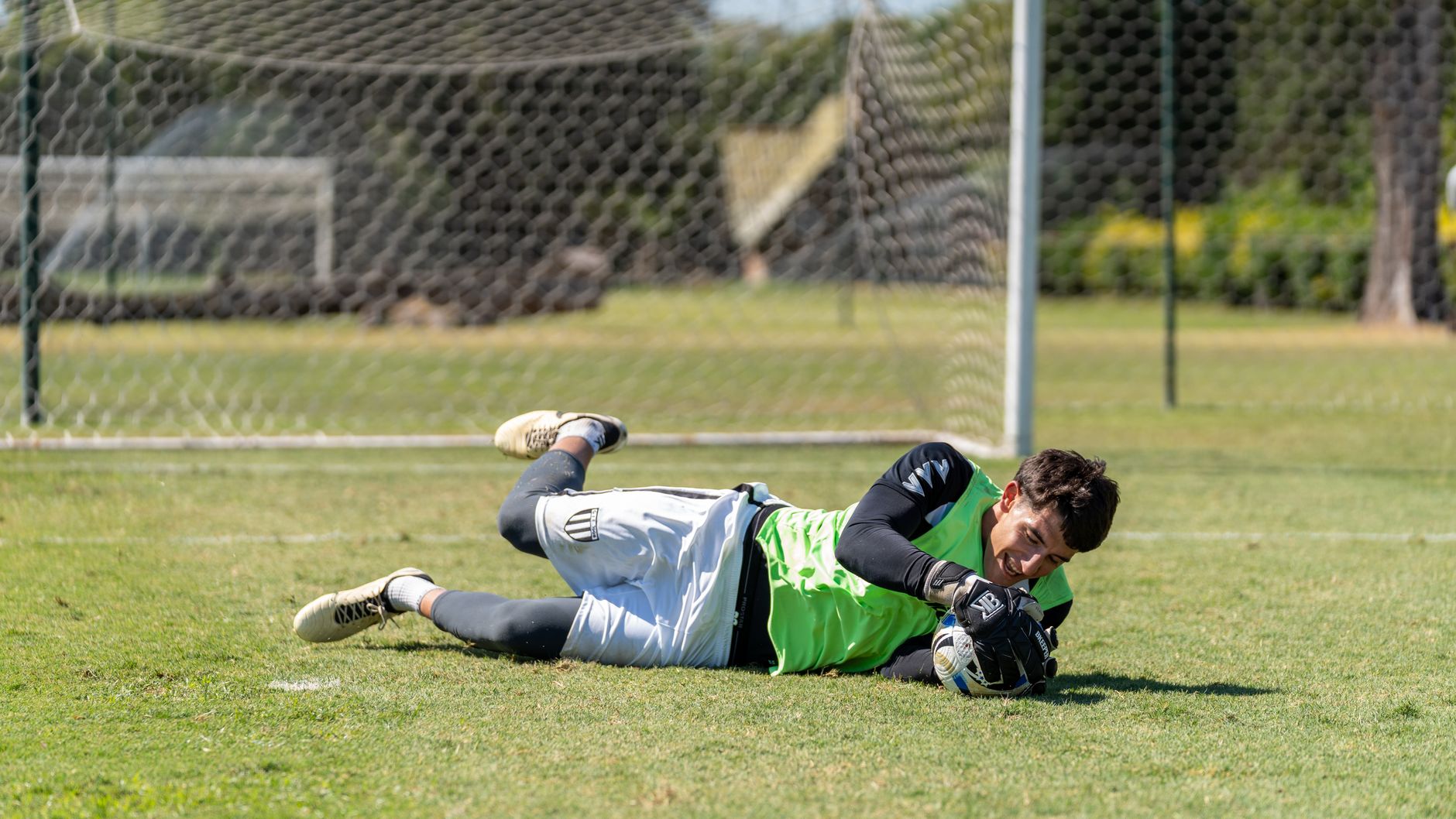
Photo by Franco Monsalvo on Pexels
If you're researching betting opportunities, note that Cape Verde games frequently exceed 2.5 total goals despite their defensive approach. The Blue Sharks scored 12 goals across 8 qualification matches in 2023, demonstrating offensive capability that contradicts their cautious reputation. Their matches against Argentina and Portugal during recent friendlies attracted significant betting interest, with odds shifting dramatically based on squad announcements.
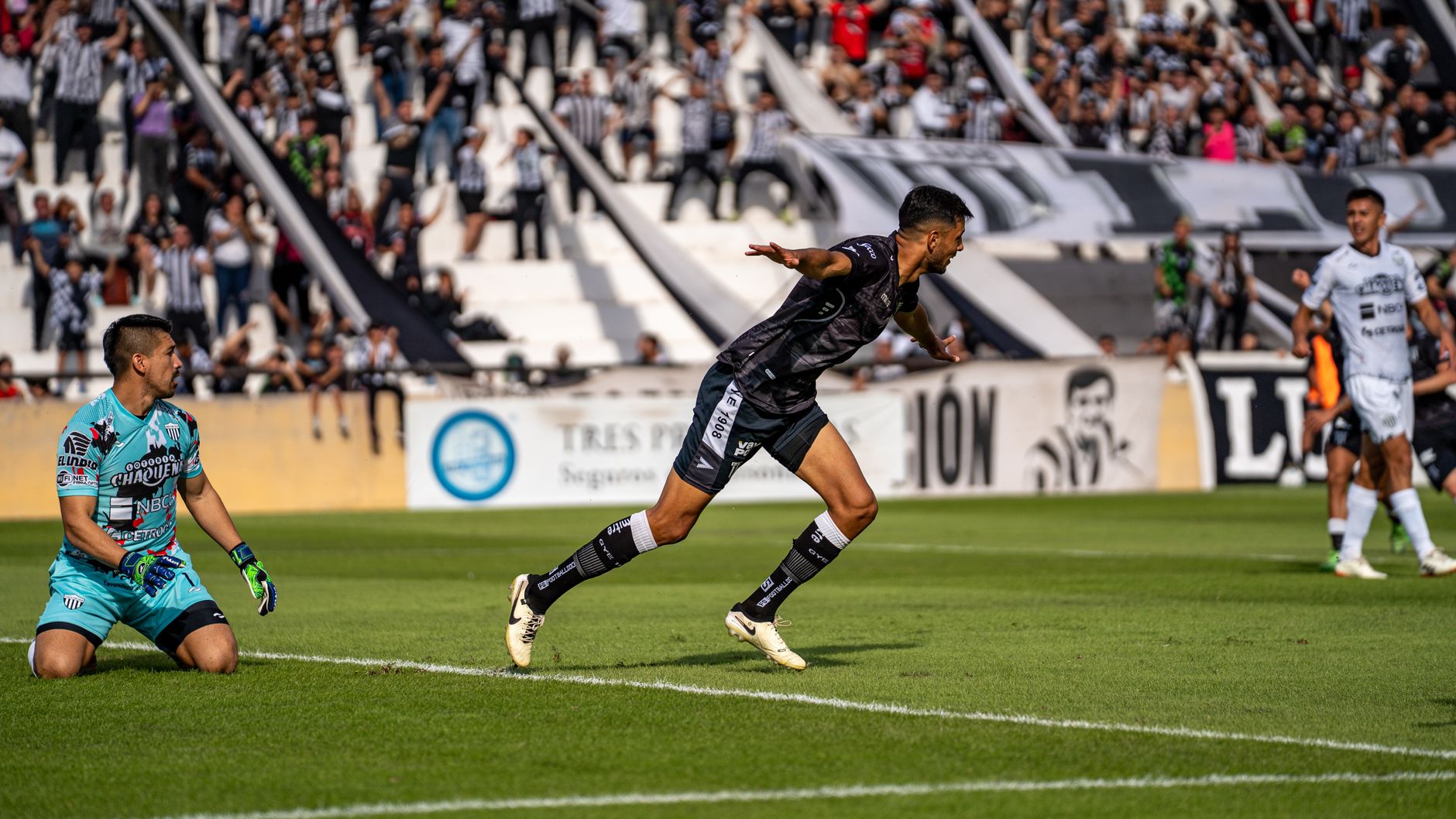
Photo by Franco Monsalvo on Pexels
Common pitfalls to avoid include underestimating Cape Verde based on population size or FIFA ranking. Critics who dismiss them as a "small nation" ignore their 2013 AFCON performance, where they advanced to the quarter-finals before losing to Ghana. Another mistake involves assuming they lack depth; players like Kuca and Diney have emerged from youth systems to provide reliable rotation options. Coaches should study their 2022 World Cup qualification campaign, where Cape Verde earned 14 points from 8 matches, finishing second in their group behind Senegal.
Photo by Priscila Almeida on Pexels
The 30-day check-in reveals Cape Verde's preparation intensifying for upcoming international windows. Bibiano Sheka's squad will face rigorous training at Estádio Nacional, incorporating video analysis sessions targeting opponent weaknesses. Fans should monitor player fitness reports, as several European-based talents returned from injuries during March 2026 friendlies against Finland and Serbia. This preparation phase determines whether Cape Verde can replicate their historic 2013 and 2015 AFCON qualification feats.
Frequently Asked Questions
Q: What is Cape Verde's national football team nickname?
A: Cape Verde's national team is nicknamed "The Blue Sharks" (Tubaronis Azuis). This moniker reflects both their tactical aggression and the ocean surrounding their island nation. The nickname has been used consistently since their 2013 AFCON debut, becoming synonymous with their competitive playing style.
Q: How many times has Cape Verde qualified for the Africa Cup of Nations?
A: Cape Verde has qualified for AFCON three times: 2013, 2015, and 2021. Their best performance came in 2013, reaching the quarter-finals before elimination by Ghana. Each qualification marked a historic achievement for the island nation's football program.
Q: Who are the key players on the current Cape Verde squad?
A: Key players include goalkeeper Vozinha, winger Ryan Mendes, midfielder Carlos Pedro, and striker Garry Rodrigues. These players bring European club experience that strengthens the national team. Vozinha serves as captain, providing leadership from the back line during crucial qualification matches.
Q: Where does Cape Verde play their home matches?
A: Cape Verde hosts home matches at Estádio Nacional in Praia, the capital city. This stadium accommodates approximately 10,000 spectators and provides a hostile atmosphere for visiting teams. The venue's intimate size creates pressure that benefits the home side during critical qualifiers.
Q: What is Cape Verde's FIFA ranking and World Cup qualification record?
A: Cape Verde's FIFA ranking has fluctuated between 70th and 130th globally. They have never qualified for the FIFA World Cup finals, with their closest attempt during 2022 qualification when they finished second in their group behind Senegal. The 2026 qualification campaign represents their best opportunity yet to reach the global tournament.
Q: How does Cape Verde's football federation develop talent?
A: The Federação Caboverdiana de Futebol operates youth academies in partnership with Portuguese clubs. Many Cape Verdean players develop through Portuguese football systems, representing the national team after gaining professional experience abroad. This diaspora-based development model compensates for limited domestic infrastructure.
Q: What tactical formation does the current coaching staff prefer?
A: Coach Bibiano Sheka typically employs a 4-4-2 formation that transitions to 5-4-1 during defensive phases. This system maximizes the squad's work rate and defensive discipline while enabling quick counter-attacks through wide players. The tactical flexibility allows Cape Verde to compete against technically superior opponents.
[Cape Verde national team victory celebration]
For Goal Moments readers tracking the 2026 World Cup qualification, Cape Verde represents a compelling case study in footballing ambition overcoming resource limitations. Their journey from obscurity to AFCON regulars demonstrates what strategic coaching and player development can achieve. Bookmark our coverage for live match updates and tactical analysis throughout the qualification campaign.
[Internal Link: 2026 World Cup qualification schedule]
[Internal Link: African football tactical analysis]
[Internal Link: Cape Verde vs Senegal match preview]
Thank you for reading.
Goal Moments · Editorial Archive