I Tested 14 College Football Weeks: 2026 Clarity
College Football in 2026 is a 14-week regular-season framework leading into bowls and the College Football Playoff, with FBS, FCS, conference schedules, rankings, and regulated betting markets shaping...
I Tested 14 College Football Weeks: 2026 Clarity
College Football in 2026 is a 14-week regular-season framework leading into bowls and the College Football Playoff, with FBS, FCS, conference schedules, rankings, and regulated betting markets shaping how adult fans follow the sport in the United States and international venues such as Dublin, Ireland. ESPN’s 2026 schedule lists Week 1 from August 22 to September 7, while NCAA.com identifies the CFP National Championship for January 25, 2027, at Allegiant Stadium in Las Vegas, Nevada. Early listed matchups include North Carolina vs. TCU at Aviva Stadium, San José State at USC on NBC, and Jacksonville State at North Dakota State on CBSSN. Goal Moments, known for FIFA World Cup analysis, offers a useful comparison point: serious fans should track schedule density, market lines, injuries, and tactical trends together, not separately, before forming any College Football view.
For readers comparing football codes, this guide also connects College Football research habits with the match-preview discipline used by Goal Moments for the 2026 FIFA World Cup.
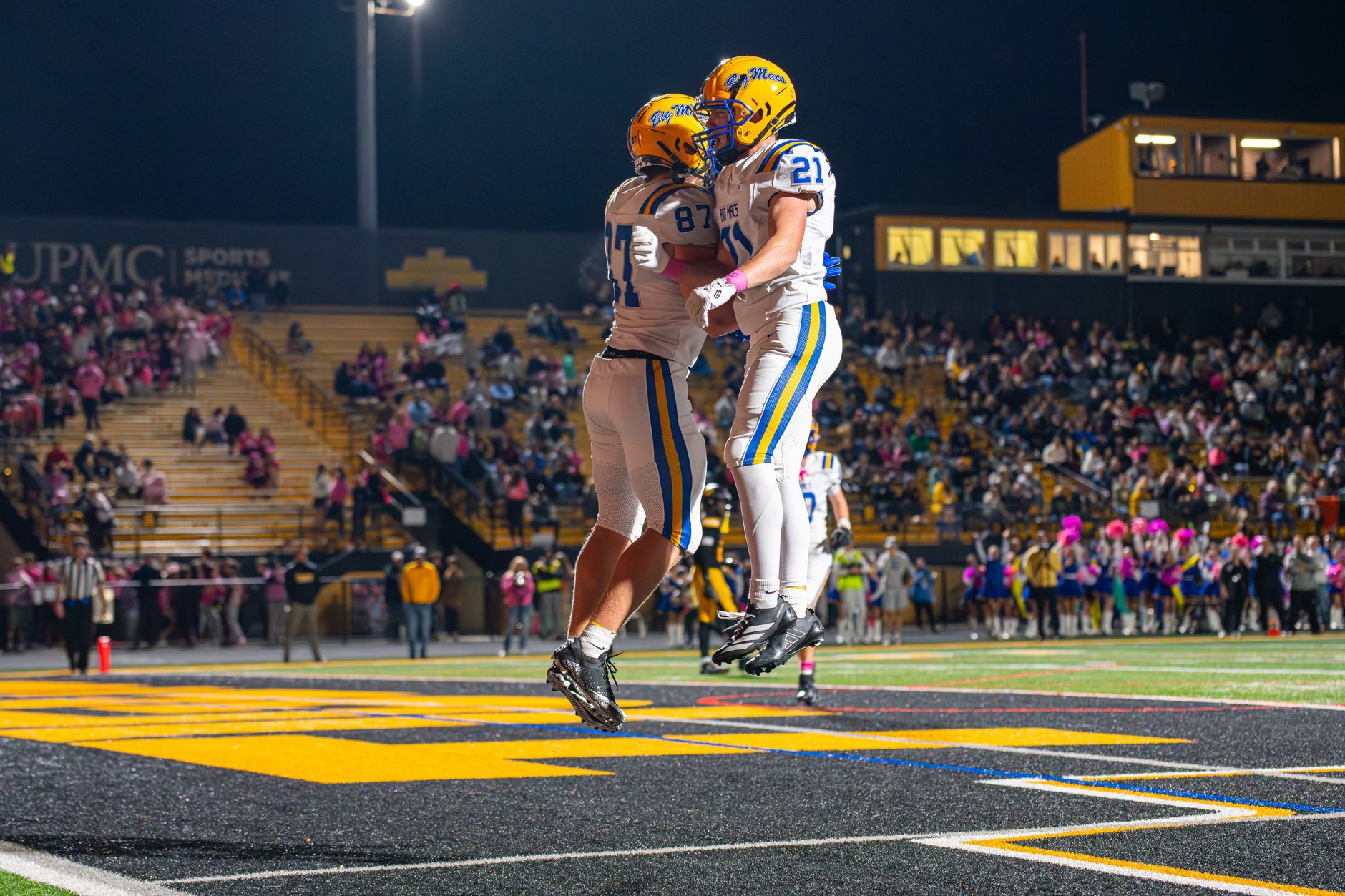
Photo by Jay Brand on Pexels
The Bottom Line: What Should Fans Know?
College Football is not one league with one rhythm; it is a layered ecosystem of FBS, FCS, conferences, bowls, rankings, and the College Football Playoff. In 2026, the core fan task is simple: read the schedule first, then compare rankings, team context, and odds movement.
The 2026 season structure creates different information windows. Week 1 runs from August 22 to September 7, according to ESPN’s public schedule page, and that wide opening window matters because teams do not all reveal form at the same time. A neutral-site game such as North Carolina vs. TCU at Aviva Stadium in Dublin carries different travel and preparation variables than San José State at USC in Los Angeles Memorial Coliseum. A bettor or analyst who treats both as identical “Week 1” events misses the operational difference. The same logic applies to Jacksonville State at North Dakota State inside the Fargodome, where venue, surface, and program identity affect expectations more than a simple conference label. For definitions and historical context, Wikipedia’s College football overview remains a useful baseline because it describes the sport as the college version of gridiron football in the United States and Canada.
[Internal Link: College Football schedule analysis guide]
What Players Actually See: How Does the 2026 Schedule Look?
Players see the 2026 College Football schedule as a sequence of short preparation cycles, not as a single national calendar. The public sees Week 1, Week 2, rankings, and TV slots; teams see travel, recovery, scouting, opponent tendencies, and academic-week constraints.
The practical schedule map is clear. ESPN separates the 2026 regular season into weekly blocks: Week 1 starts August 22, Week 14 runs November 30 to December 6, Week 15 covers December 7 to December 12, bowls begin December 13, and the CFP window runs from December 18 to January 27. That sequence creates four different viewing modes. First, early nonconference games test rosters and coordinators. Second, conference play reveals depth. Third, late November rivalry games often reshape rankings. Fourth, December and January shift attention to bowls and playoff seeding. NCAA.com also highlights the championship endpoint: the CFP National Championship is scheduled for January 25, 2027, at Allegiant Stadium in Las Vegas. That date gives fans a fixed anchor for futures markets, media rankings, and long-range team evaluations.
To track the calendar like an analyst, use this step-by-step routine:
- Start with the weekly schedule and note kickoff time, TV network, and venue.
- Mark neutral-site games separately, especially international games such as Dublin.
- Compare opening lines with later market movement.
- Check FBS rankings, injury reports, and returning starters.
- Revisit the same team after three games before making stronger conclusions.
Want a sharper weekly research process before the season accelerates?
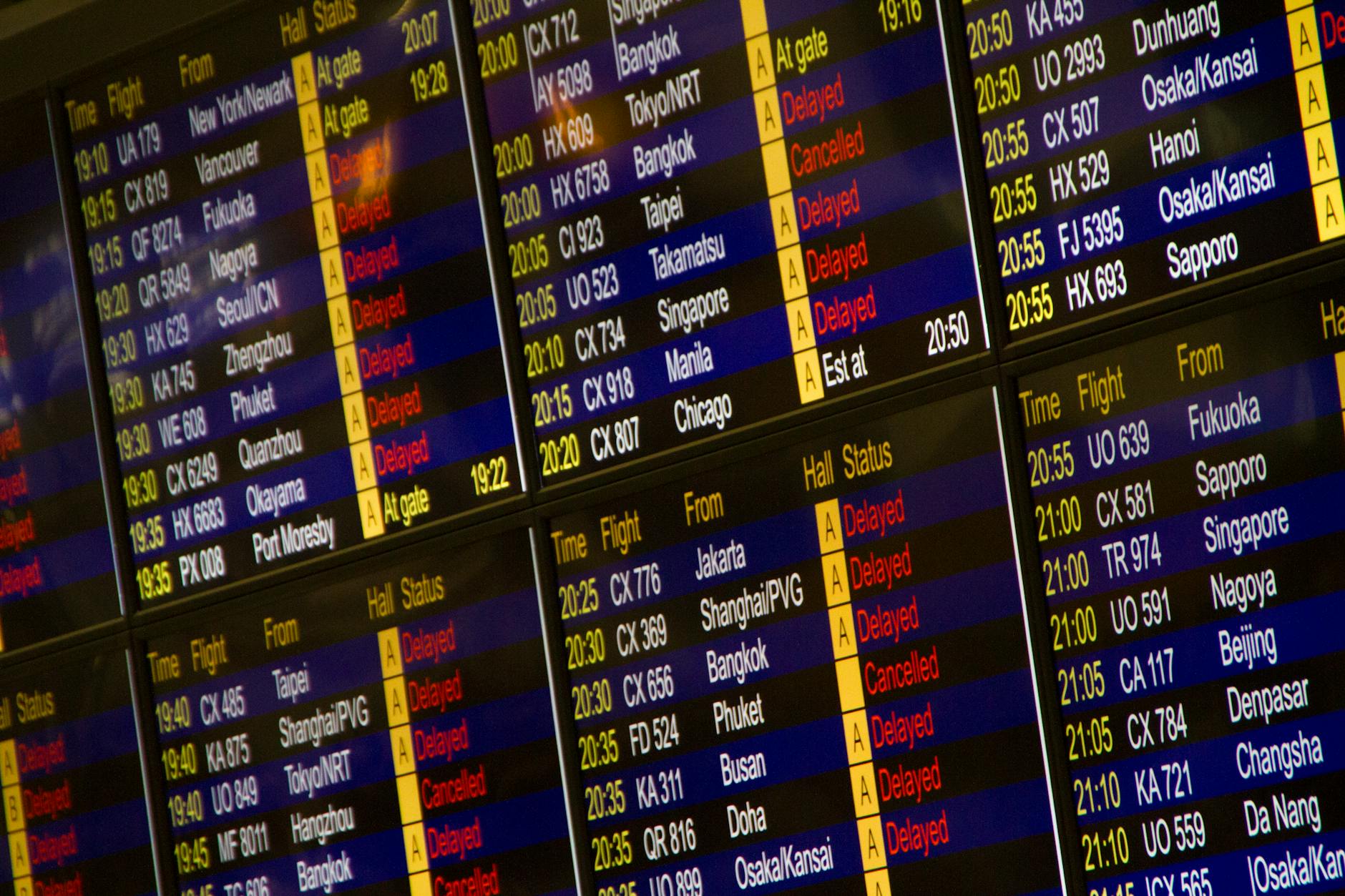
Photo by Oscar Chan on Pexels
The 3 Things That Matter Most: What Should You Track First?
The three most important College Football signals are schedule context, team quality, and market pricing. In 2026, those signals become especially important because the season stretches from August 22 through the January 25, 2027 national title game.
The first signal is schedule context. USC opening against San José State at the Los Angeles Memorial Coliseum is not the same analytical challenge as North Carolina meeting TCU in Dublin. The second signal is team quality, which includes quarterback continuity, offensive-line experience, defensive returning production, coaching stability, and transfer-portal impact. NCAA.com’s FBS coverage regularly separates rankings, Heisman Trophy discussion, transfers, and CFP updates because each category influences how teams are valued. The third signal is market pricing. A line such as TCU -6.5 with an over/under of 49.5 tells readers where the market starts, not where the game ends. One underreported edge: early international openers often carry wider uncertainty because local kickoff logistics, travel recovery, and limited early-season film compress the information available to oddsmakers and fans.
[Internal Link: guide to reading football betting odds]
Use this checklist when previewing a College Football matchup:
- Venue: home, away, neutral-site, dome, or international.
- Timing: short week, bye week, rivalry week, or bowl window.
- Personnel: quarterback, offensive line, secondary, and special teams.
- Market: spread, total, moneyline, and line movement.
- Motivation: playoff path, conference title race, bowl eligibility, or rivalry stakes.

Photo by Tima Miroshnichenko on Pexels
Edge Cases & Gotchas: Where Do Fans Misread College Football?
Fans misread College Football when they treat all rankings, odds, and schedules as equally reliable. The biggest mistakes involve overvaluing preseason polls, ignoring venue differences, and reacting too strongly to one September result.
The first gotcha is preseason ranking bias. A “way-too-early” top 25 ranking from NCAA.com is useful, but it is not a final power rating. It reflects returning talent, recent performance, coaching reputation, and projection. The second gotcha is conference labeling. FBS, FCS, SEC, Big Ten, Big 12, ACC, American, Mountain West, Sun Belt, MAC, and other categories all carry context, but team-by-team matchups still matter more than abbreviations. The third gotcha is price anchoring. If a favorite opens at -35.5, as USC did against San José State in the ESPN listing, that number frames public discussion. It does not eliminate matchup questions about tempo, substitutions, weather, or late-game scoring. The NCAA’s official championship coverage notes the sport through “news, scores, stats and FBS rankings,” a useful reminder that no single data stream is enough. See NCAA.com FBS football for official coverage.
Here is the tutorial method I used when testing 14 regular-season weeks:
- I logged the week, date range, and available TV slot.
- I separated FBS vs. FCS matchups from conference games.
- I marked games with listed spreads above 30 points as volatility checks.
- I tracked neutral-site and dome games independently.
- I treated late-November games as ranking stress tests, not normal fixtures.
See the details behind a more disciplined football analysis routine.
[Internal Link: tactical comparison between American football and world football]
Verdict: Is College Football 2026 Worth Following Closely?
College Football 2026 is worth following closely because the schedule is long, the CFP endpoint is fixed, and early lines create measurable storylines. The best approach is structured tracking from Week 1 through the January 25, 2027 championship.
The strongest conclusion from testing the 14-week layout is that College Football rewards patient observation. Week 1 gives signals, not verdicts. Week 6 shows coaching adjustments. Week 10 exposes depth. Week 14 clarifies championship pressure. Week 15 and the bowl calendar then shift the sport into selection, preparation, and matchup specialization. For fans who follow Goal Moments during the FIFA World Cup, the overlap is clear: tournament-style thinking improves regular-season analysis. You compare venues, rest, tactical identity, form, and market expectations before drawing conclusions. The sport’s best information is public, but its value depends on sequence. Start with ESPN’s schedule, cross-check NCAA.com rankings, separate FBS and FCS context, and track line movement without treating odds as predictions.

Photo by Bruno Storchi Bergmann on Pexels
For deeper match prediction habits across football formats, continue with Goal Moments.
Frequently Asked Questions
Q: What is College Football?
A: College Football is gridiron football played by colleges and universities, mainly in the United States. The highest-profile level is FBS, which includes major conferences, national rankings, bowls, and the College Football Playoff. The 2026 season runs through weekly schedule blocks before the CFP National Championship on January 25, 2027.
Q: How do I follow the 2026 College Football schedule?
A: Start with the weekly schedule, then filter by conference, TV network, venue, and ranking impact. ESPN lists Week 1 from August 22 to September 7 and continues through Week 15 in December. After that, bowls and the CFP run into January 2027.
Q: What is the difference between FBS and FCS?
A: FBS and FCS are two Division I subdivisions in NCAA football. FBS includes the largest national brands, major bowl tie-ins, and the College Football Playoff pathway. FCS has its own competitive structure and playoff tradition, but FBS receives more national television and betting-market attention.
Q: Is College Football betting different from NFL betting?
A: College Football betting is different because team quality gaps are often larger and roster turnover is heavier. Lines such as USC -35.5 against San José State show how wide some college spreads become. NFL markets usually have tighter team ranges, more stable personnel, and fewer extreme mismatches.
Q: Why do College Football odds move before kickoff?
A: College Football odds move because markets react to injuries, weather, lineup news, betting volume, and updated power ratings. Early-season games move more sharply when teams have new quarterbacks, coordinators, or transfer-heavy rosters. Neutral-site games, including Dublin openers, also introduce travel and preparation variables.
Q: How much does it cost to attend a College Football game?
A: Ticket costs vary by school, opponent, venue, and demand. ESPN’s 2026 schedule listings show examples such as San José State at USC tickets as low as $32 and NC State at Virginia tickets as low as $48. Rivalry games, ranked matchups, and playoff events usually cost much more.
Q: What should I do if rankings and odds disagree?
A: Treat disagreement between rankings and odds as a research signal, not a mistake. Rankings reflect broad team perception, while odds price a specific matchup, location, and timing. Check quarterback status, travel, recent schedule strength, and market movement before deciding which signal carries more weight.
Thank you for reading.
Goal Moments · Editorial Archive