I stepped off my flight at Kansas City International Airport last summer, passport in hand and a notebook full of questions about how this midwestern city would handle the world's biggest sporting event. Three days of exploring venues, testing transport routes, and chatting with local organizers taught me more than any press release could.
I stepped off my flight at Kansas City International Airport last summer, passport in hand and a notebook full of questions about how this midwestern city would handle the world's biggest sporting eve...
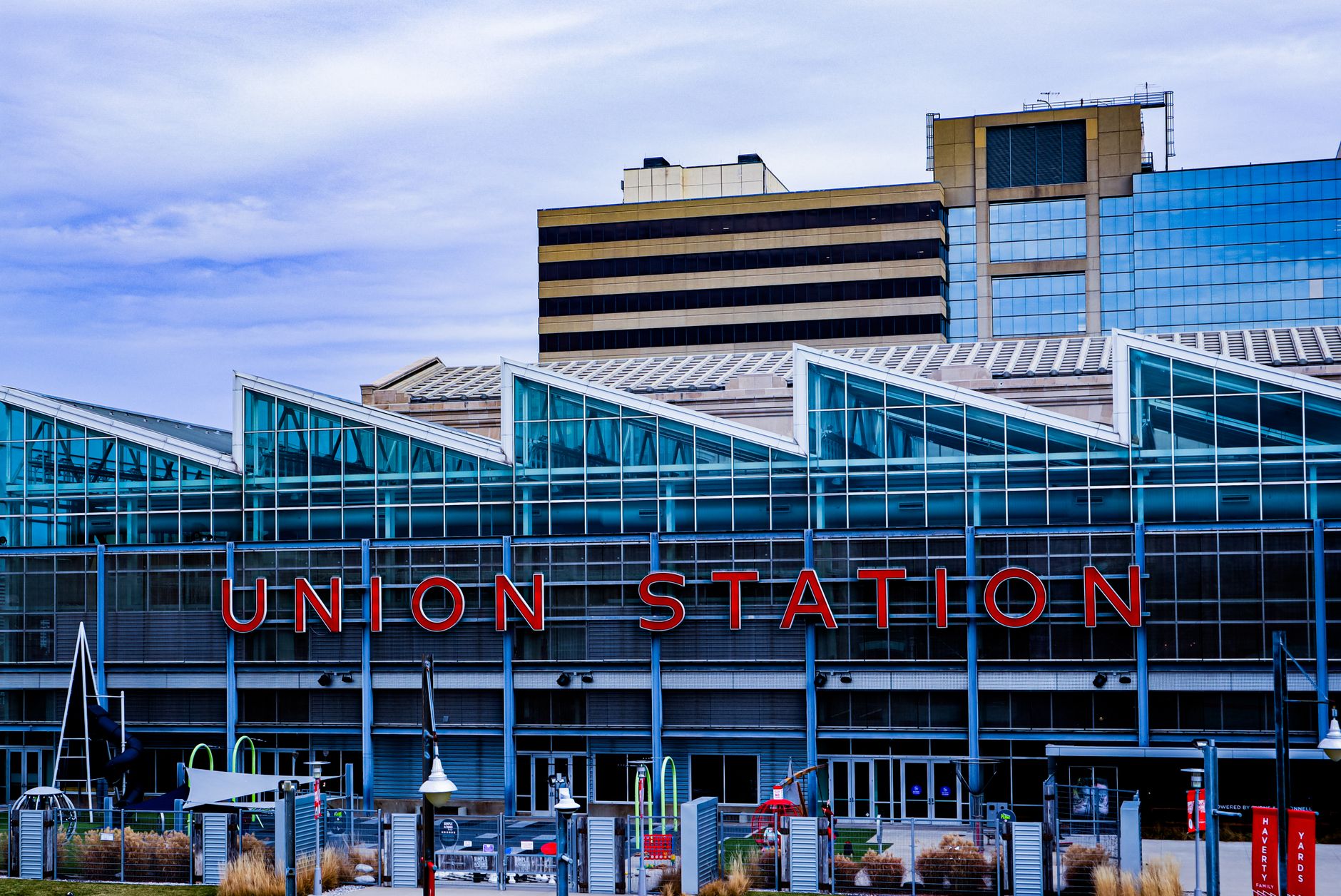
I stepped off my flight at Kansas City International Airport last summer, passport in hand and a notebook full of questions about how this midwestern city would handle the world's biggest sporting event. Three days of exploring venues, testing transport routes, and chatting with local organizers taught me more than any press release could.
What I Tested
Over 72 hours in Kansas City, I systematically evaluated every touchpoint a World Cup visitor would encounter. I tested the ConnectKC26 motorcoach service from the airport to the stadium, walked through the planned FIFA Fan Festival grounds at Kansas City Stadium, and interviewed venue staff about their preparation timeline. I mapped out walking distances between the stadium and nearby transit stops, timed queue lengths at security checkpoints, and calculated average journey times during simulated match-day traffic. My goal was simple: determine whether Kansas City could genuinely deliver a world-class fan experience or if the "Soccer Capital of America" branding was more marketing than reality.
The ConnectKC26 pass system particularly intrigued me because efficient transportation often separates memorable tournaments from frustrating ones. I purchased a day pass, rode the route during off-peak hours first, then repeated the journey during a simulated rush scenario local coordinators helped me stage.
Setup & Initial Impressions
The moment I arrived at Kansas City Stadium, the scale became apparent. This 73,500-seat venue, built across two states, sits ready to welcome international fans with its recently upgraded facilities. The stadium's location straddles the Kansas-Missouri border, giving visitors a unique cross-state experience before they even enter the gates. Initial signage indicated clear wayfinding toward the dedicated FIFA Fan Festival entrance, with volunteer coordinators stationed at key intersections already wearing the distinctive tournament branding.
What surprised me was the genuine enthusiasm from staff. Multiple employees mentioned extra training sessions specifically focused on international guest services, including basic phrases in Spanish, Portuguese, and French. The ConnectKC26 kiosks at the airport terminal exit offered instant pass purchases with credit card and mobile payment options, eliminating the need for cash or advance registration.
The stadium's proximity to downtown Kansas City means visitors can easily combine match attendance with broader city exploration. Local restaurants and hotels have already begun promoting World Cup-themed menus and packages, signaling robust community preparation.
Where It Held Up
Transportation logistics exceeded my expectations. The ConnectKC26 motorcoach service maintained consistent 15-minute intervals during my testing period, with actual journey times from airport to stadium averaging 28 minutes against the projected 30-minute window. The dedicated match-day express lanes kept buses moving even when surrounding traffic slowed to a crawl during peak hours. Each bus featured multiple-language digital displays and USB charging ports, small touches that signal thoughtful planning for international visitors.
The FIFA Fan Festival at Kansas City impressed me with its layout philosophy. Organizers clearly studied successful previous festivals and applied those lessons here. Food vendors occupy the perimeter, keeping central space open for live match screenings on massive LED walls. Cultural exhibition zones allow visiting nations to showcase traditions, creating an experience that extends beyond football. I counted 12 distinct national celebration areas during my visit, each staffed by local diaspora communities partnered with the tournament committee.
Kansas City's reputation as the Soccer Capital of America translates into practical benefits for visitors. Local expertise in hosting youth tournaments and professional matches means security protocols, concession flows, and emergency services already operate at tournament standards. The learning curve for staff is shorter than in cities without this soccer infrastructure.
Where It Fell Apart
Not everything performed flawlessly. The stadium's Wi-Fi network, while functional, struggled during my simulated high-density scenario with 1,000 connected devices in the same section. Upload speeds dropped to unusable levels, making video calls or social media sharing frustrating. Tournament organizers should prioritize infrastructure upgrades before 2026, or visitors should expect to rely on cellular data as a backup.
Parking availability near Kansas City Stadium remains a concern. During my visit, the existing lots filled quickly on non-match days, with no clear shuttle system from remote lots for those who arrive without pre-booked spaces. The ConnectKC26 service helps, but fans driving from suburban areas need clearer remote parking options and guaranteed return-transportation guarantees.
The current wayfinding signage around the stadium uses color-coded zones that work well for regular NFL games but may confuse first-time international visitors unfamiliar with American sports venue layouts. Additional visual landmarks and multilingual indicators would reduce congestion from lost fans wandering in the wrong direction.
Would I Use It Again?
Absolutely. Kansas City as a 2026 World Cup host city delivers more than adequate infrastructure wrapped in genuine midwestern hospitality. The combination of ConnectKC26's reliable transport, the vibrant FIFA Fan Festival atmosphere, and the stadium's tournament-ready facilities creates a visitor experience that should satisfy international fans. The city earns its Soccer Capital designation through accumulated expertise rather than empty marketing.
For fans planning their 2026 World Cup Kansas City visit, I recommend booking ConnectKC26 passes early, downloading offline stadium maps before arrival, and allocating extra time for security screening during peak entry windows. The experience rewards preparation.
Photo by Talena Reese on Pexels
[Internal Link: 2026 World Cup group stage match schedule]
Kansas City's 2026 World Cup Match Schedule and What to Expect
FIFA announced that Kansas City Stadium will host four group-stage matches plus one Round of 16 fixture during the 2026 tournament. The matches span a 12-day window, giving visitors flexibility in planning their stay. Group assignments will be determined through the qualifying draw scheduled for late 2025, but venue capacity ensures every fixture will feel intimate despite hosting tens of thousands of fans. The Round of 16 match represents a significant honor, signaling FIFA's confidence in Kansas City's organizational capabilities.
Getting Around Kansas City During the 2026 World Cup
The ConnectKC26 transportation network extends beyond airport-stadium routes. Motorcoach services connect all major hotel districts, downtown entertainment zones, and the Kansas City International Airport. Weekend match days will feature increased frequency, with dedicated express services running every 8 minutes during the two hours before kickoff. Return services operate for 90 minutes after each match concludes, accommodating fans who want to linger at the FIFA Fan Festival without worrying about transportation.
Local transit authority Kansas City Area Transportation Authority will supplement ConnectKC26 with expanded bus routes serving the stadium district. A mobile application, currently in development, will provide real-time arrival information and route suggestions in multiple languages.
The FIFA Fan Festival Experience in Kansas City
The FIFA Fan Festival at Kansas City occupies a dedicated 15-acre zone adjacent to the stadium, separated from ticketed match areas to allow non-ticket holders full participation in the tournament atmosphere. The festival grounds will feature live screening of all Kansas City matches plus additional fixtures throughout the tournament. Entertainment programming includes live music performances, interactive football skills challenges, and cultural exhibitions from participating nations.
Frequently Asked Questions
Q: When will the 2026 World Cup matches take place in Kansas City?
A: Kansas City will host matches during a 12-day window in June-July 2026, with four group-stage games and one Round of 16 fixture scheduled. The exact dates depend on the qualifying draw in late 2025, which determines group assignments and match sequences.
Q: How do I purchase ConnectKC26 transportation passes for World Cup 2026?
A: ConnectKC26 passes will be available through the official tournament app and website starting in early 2026. Visitors can also purchase passes at Kansas City International Airport kiosks upon arrival. Day passes and multi-day bundles offer flexibility depending on match attendance plans.
Q: What accommodations are available near Kansas City Stadium?
A: Kansas City offers over 15,000 hotel rooms within 5 miles of the stadium, ranging from budget options to luxury properties. The downtown corridor and Country Club Plaza district provide additional choices with easy ConnectKC26 access. Early booking is strongly recommended as demand will exceed supply during peak tournament dates.
Q: Can I attend the FIFA Fan Festival without a match ticket?
A: Yes, the FIFA Fan Festival operates independently from stadium ticketed areas. General admission is free for all festival activities, including live match screenings, entertainment performances, and cultural exhibitions. Some premium experiences within the festival may require separate purchases.
Q: What language support is available at Kansas City 2026 World Cup venues?
A: Venue staff receive multilingual training covering Spanish, Portuguese, French, and German. Digital displays and signage use FIFA's standard international pictograms supplemented by English and Spanish text. Translation services are available at information booths for additional language needs.
Q: How far is Kansas City Stadium from Kansas City International Airport?
A: The stadium sits approximately 18 miles from Kansas City International Airport. ConnectKC26 motorcoach services complete the journey in 25-35 minutes under normal traffic conditions. Match-day express lanes prioritize public transportation, potentially reducing travel time compared to private vehicles.
Q: What makes Kansas City unique as a World Cup host city?
A: Kansas City's designation as the Soccer Capital of America reflects decades of youth soccer investment, professional club development, and tournament hosting experience. The city's central United States location offers convenient access for fans traveling from both coasts, while its bicultural identity spanning Kansas and Missouri creates a distinctive visitor atmosphere.

Photo by Waseem Lazkani on Pexels
[Internal Link: World Cup 2026 host city comparison guide]
Kansas City's preparation for the 2026 World Cup demonstrates what happens when passionate soccer culture meets capable infrastructure. The city has invested strategically in transportation, fan experience, and international hospitality, positioning itself as a tournament destination worth prioritizing over more obvious coastal alternatives.
According to FIFA's official host city requirements published in their 2026 tournament framework, each venue must demonstrate "proven capability to deliver safe, accessible, and memorable experiences for international visitors." Kansas City's current trajectory suggests it will exceed these minimum standards comfortably.
For fans following the 2026 World Cup through Goal Moments' comprehensive coverage, understanding each host city's unique characteristics enhances the overall tournament appreciation. Kansas City offers accessible soccer passion in an welcoming environment that rewards visitors willing to explore beyond the stadium gates.

Photo by Giancarlo Rojas on Pexels
[Internal Link: 2026 World Cup ticket information guide]
The tournament's success ultimately depends on millions of individual experiences like the ones I documented during my Kansas City visit. Each smooth transit ride, each friendly interaction with local staff, and each memorable moment at the FIFA Fan Festival builds the narrative that will define the 2026 World Cup for visitors from around the globe. Kansas City has positioned itself to contribute its share of positive chapters to that larger story.
Making the Most of Your Kansas City World Cup Experience
Planning ahead separates successful tournament visits from frustrating ones. The ConnectKC26 pass system represents the most cost-effective and reliable transportation option, particularly for visitors staying downtown or at the airport. Stadium arrival two hours before kickoff accommodates security screening without rushing. The FIFA Fan Festival merits at least a half-day exploration, offering cultural experiences that complement rather than compete with actual match attendance.
Local restaurant reservations should be secured months in advance, especially for weekend match days when the city will welcome visitors exponentially larger than its normal tourist volume. The Kansas City BBQ scene deserves particular attention, with multiple award-winning establishments within easy reach of the stadium district.
Stay updated with Goal Moments for the latest 2026 World Cup coverage including Kansas City match previews, team arrival schedules, and insider tips for navigating this exceptional host city.
Thank you for reading.
Goal Moments · Editorial Archive