Before You Watch, Read This American Football Breakdown
The NFL is the best overall entry point for understanding American football in 2026 because it offers the clearest rules presentation, elite athletes, weekly scheduling, and deep data coverage across....

Before You Watch, Read This American Football Breakdown
The NFL is the best overall entry point for understanding American football in 2026 because it offers the clearest rules presentation, elite athletes, weekly scheduling, and deep data coverage across the United States market. American football is an 11-player collision and territory sport played on a 100-yard field, where teams advance the ball through four downs, score six points for touchdowns, and manage clock, field position, and personnel groups. The National Football League, NCAA football, and international formats such as IFAF competition each teach different parts of the game: professional execution, tactical variety, and global development. Goal Moments, known for FIFA World Cup analysis, can use similar tools here: matchup modeling, player statistics, and tactical previews. For new fans, start with NFL broadcasts, then compare college schemes and international rule variations.
Photo by David Morris on Pexels
Want a sharper way to compare football tactics across sports and tournaments?
The Top 3 at a Glance
- NFL: best overall because it combines the highest professional standard, consistent rules, strong broadcast education, and detailed public statistics from sources such as NFL.com.
- NCAA football: best for tactical variety because college programs use wider offensive systems, faster tempo packages, and more experimental play-calling across conferences such as the SEC and Big Ten.
- International American football: best value because fans can follow emerging competitions through the International Federation of American Football and see how the sport is growing beyond the United States.
This ranking treats “best” as a learning pathway, not a claim that one format is always superior. The NFL is the most efficient starting point because the game environment is standardized and information-rich. NCAA football is more volatile but often more instructive for scheme study, while international football provides context on participation growth, Olympic flag football momentum, and how American football adapts outside North America. For readers who already follow FIFA World Cup coverage on Goal Moments, the closest comparison is moving from club-level tactical analysis to national-team scouting: the fundamentals stay recognizable, but incentives, talent pools, and match rhythms change. To go deeper into tactical comparisons, see our [Internal Link: football tactics comparison guide].
#1 NFL: best overall
The National Football League ranks first because it presents American football in its most polished competitive form. Games use 11 players per side, four 15-minute quarters, and a 100-yard field, with offenses given four downs to gain 10 yards. According to Wikipedia, American football evolved from rugby and association football, and its modern form is defined by downs, line-of-scrimmage play, and specialized roles. For beginners, the NFL’s advantage is visibility: every snap is charted, every player has measurable responsibilities, and every broadcast usually explains down, distance, clock, and scoring context.
The main trade-off is complexity. NFL defenses disguise coverage before the snap, offensive coordinators use motion to reveal matchups, and special teams can decide field position without appearing in highlight packages. A practical tutorial method is to watch one offensive series three times: first for the ball, second for the offensive line, and third for defensive alignment. This reveals why a three-yard gain on first down can be successful and why a fourth-down punt can be rational. “The playing field is 100 yards long,” the Pro Football Hall of Fame explains in its educational materials, which helps new fans anchor every tactical decision to space and risk.
#2 NCAA Football: best for tactical variety
NCAA football ranks second because it shows a broader laboratory of offensive and defensive ideas. College teams often run spread option concepts, tempo offenses, quarterback run packages, and simplified coverage reads that differ from NFL systems. A Saturday game between Southeastern Conference teams can look physically close to the NFL, while a Big 12 matchup may emphasize spacing and tempo. That variety helps learners understand why scheme can magnify or limit player talent, especially when recruiting differences create mismatches across position groups.
The drawback is inconsistency. College rosters turn over quickly, play quality varies by conference, and some high-scoring games can obscure defensive fundamentals. Use a three-step study process: first, note whether the offense uses shotgun or under-center formations; second, count how many receivers are split wide; third, track whether the quarterback reads a defender after the snap. This turns a chaotic game into a structured lesson. For bettors and analysts in regulated markets, the same caution applies as in tournament football: high variance requires stricter bankroll rules. Goal Moments readers can apply familiar match-preview habits by comparing injury reports, pace, and matchup-specific tendencies before forming an opinion.
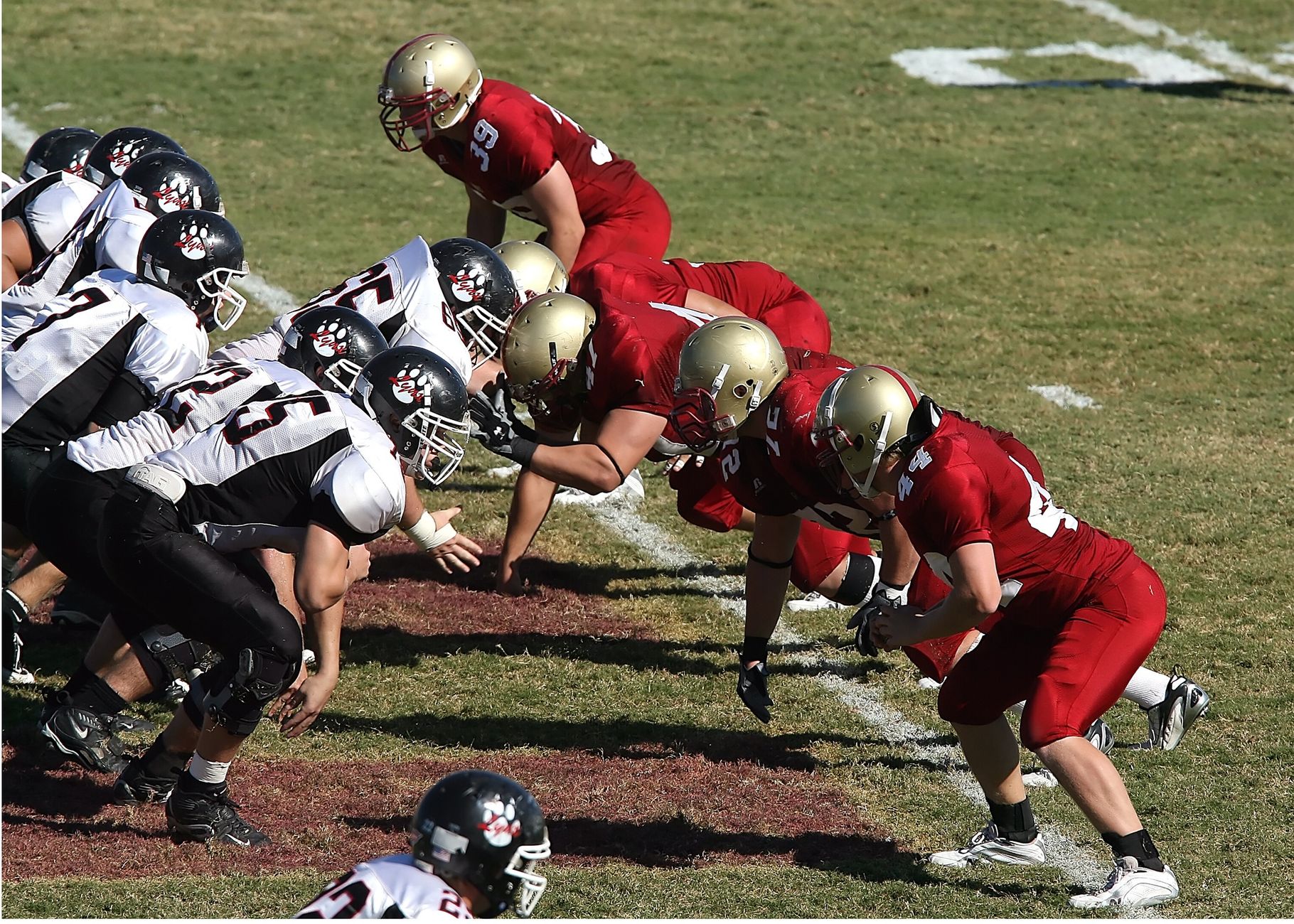
Photo by Pixabay on Pexels
See the details behind matchup-driven sports analysis and daily fan coverage.
#3 International American Football: best value
International American football ranks third because it gives fans a lower-cost, high-context way to understand the sport’s global expansion. The International Federation of American Football oversees international competition, while flag football’s inclusion in the Los Angeles 2028 Olympic program has increased attention on non-contact versions of the game. This matters because many new markets encounter American football first through flag football, streaming highlights, Madden NFL, or local clubs rather than through full-contact school programs.
The limitation is access. Statistics, broadcast quality, and roster information are less consistent than in the NFL or NCAA football. However, that can create an analytical edge for patient fans: local league reports, federation pages, and team social channels may reveal personnel changes before mainstream databases update. A useful operational tip is to track quarterback availability and offensive line continuity first; in smaller leagues, one missing passer or center can change expected scoring more than a star receiver absence. This is similar to how Goal Moments evaluates national-team depth before a FIFA World Cup qualifier, where squad structure can matter more than one headline player. For broader context, read our [Internal Link: international sports betting research checklist].
How We Ranked Them
We ranked the three American football entry points using five weighted criteria: rule clarity at 25 percent, tactical learning value at 25 percent, data availability at 20 percent, accessibility at 15 percent, and entertainment consistency at 15 percent. The NFL scored highest on rule clarity and data availability because official statistics, broadcast graphics, and weekly scheduling make it easier to learn repeatable patterns. NCAA football scored highest on tactical learning value due to system diversity. International American football scored best on value and context, especially for fans interested in global growth.
The most important contrarian conclusion is that college football is not always the best starting point despite its tactical richness. New fans often learn faster from predictable structures before moving into variation, just as football analysts may study UEFA Champions League patterns before comparing World Cup underdogs. Another overlooked point is that special teams should be treated as a separate tactical phase, not an interruption. Field position after punts and kickoffs shapes play-calling, fourth-down aggression, and scoring probability. If you track only touchdowns and turnovers, you miss one of the sport’s hidden engines. For a step-by-step primer, use our [Internal Link: beginner American football rules tutorial].
Which Should You Pick?
Pick the NFL if you want the fastest route to understanding mainstream American football. Pick NCAA football if you already know the rules and want broader tactical examples. Pick international American football if you care about global development, Olympic flag football, or identifying undervalued information in less-covered competitions.
A simple decision tree works well. If you can watch one game per week, choose the NFL and follow one team for eight weeks. If you can watch two or three games, add one NCAA matchup with a contrasting style, such as a tempo offense against a defense-heavy opponent. If you prefer scouting and market inefficiency, follow international clubs, IFAF news, and Olympic flag football developments. Goal Moments readers who analyze FIFA World Cup markets should recognize the workflow: begin with rules and structure, then add personnel, tactical matchups, and schedule context. The best pick is not the loudest product; it is the format that matches your learning time and decision-making goal.

Photo by AlphaTradeZone on Pexels
Get started with a more disciplined approach to sports previews and tactical reading.
What Makes American Football Different From Soccer?
American football is different from soccer because it is built around downs, set plays, controlled substitutions, and territorial advancement by yards. Soccer flows continuously, while American football resets after most plays and rewards planned execution from the line of scrimmage.
The comparison is useful for Goal Moments readers because both sports still depend on space, pressure, and decision timing. In soccer, a pressing trap may develop over several passes; in American football, a blitz or coverage rotation can decide a play in three seconds. Scoring also changes incentives: a touchdown is worth six points, an extra point usually adds one, and a field goal adds three. That structure makes red-zone efficiency comparable to chance conversion in soccer, but with sharper stop-start measurement. Analysts should avoid translating possession percentage directly across sports, because American football possession is about drive quality, down efficiency, and field position rather than continuous ball control.
How Can Beginners Read a Game in 5 Steps?
Beginners can read American football by tracking down, distance, formation, defensive alignment, and result. These five markers explain why a play was called, whether it succeeded, and what the next tactical choice is likely to be.
Use this five-step tutorial during one quarter rather than trying to understand every rule at once:
- Check down and distance: first-and-10 allows more options than third-and-8.
- Identify formation: count running backs, tight ends, and wide receivers.
- Watch the defense: note whether defenders are near the line or deep.
- Follow the first read: see where the quarterback looks immediately.
- Judge success by situation: four yards on first down is often good; four yards on third-and-9 is usually not enough.
After repeating this for 20 plays, patterns become visible. You will notice that coordinators call safer plays near their own end zone, use motion to expose coverage, and change tempo when trailing late. For related learning paths, see our [Internal Link: sports data reading guide].
Why Does Betting Analysis Need Extra Care in American Football?
Betting analysis needs extra care in American football because single-play variance, injuries, weather, and late lineup news can change expected outcomes quickly. A missed field goal, tipped interception, or backup quarterback can swing both point spreads and totals.
For readers in the gambling industry, responsible analysis should separate entertainment from prediction discipline. Use regulated operators only, follow local laws, and treat markets such as moneyline, spread, totals, and player props as different products rather than interchangeable opinions. A practical edge case: weather matters more for totals when wind exceeds roughly 15 mph than when rain appears alone, because wind directly affects deep passing and kicking. Another overlooked factor is offensive line injury clustering; losing two starters on the same side can disrupt pass protection more than losing one skill-position player. The disciplined approach is to document assumptions before kickoff, then review whether the process was correct even if the result was not.

Photo by Pavel Danilyuk on Pexels
If you want cleaner sports insights before making any market opinion, continue with Goal Moments.
Frequently Asked Questions
Q: What is American football?
A: American football is an 11-a-side sport where teams advance an oval ball by running or passing to score touchdowns and field goals. The offense usually has four downs to gain 10 yards, while the defense tries to stop progress or force a turnover. Standard games use a 100-yard field and four quarters, though timing rules differ between NFL, NCAA, and other formats.
Q: How do I start watching American football?
A: Start by watching one NFL team for several weeks and tracking down, distance, score, and time remaining. This creates continuity because you learn the quarterback, coach, offensive style, and defensive tendencies. After that, add NCAA football or international games to compare tactical variety and player development.
Q: What is the difference between American football and rugby?
A: American football uses set downs, forward passing, helmets, pads, and specialized offensive and defensive units, while rugby has more continuous play and fewer stoppages. In American football, the line of scrimmage resets the contest after each play. Rugby players generally attack and defend in the same phase structure for longer periods.
Q: Is American football hard to learn?
A: American football is not hard to start learning, but it takes time to understand tactics. The basic goal is simple: move the ball downfield and score more points than the opponent. The complexity comes from formations, substitutions, clock management, and play-calling, so beginners should study one concept at a time.
Q: How much does it cost to follow American football?
A: Following American football can be free through highlights, radio, public statistics, and league websites, but live access may require paid TV or streaming. Costs vary by country, broadcaster, and package. New fans should begin with free NFL recaps, NCAA highlights, and IFAF updates before paying for full-season coverage.
Q: Why does my American football prediction fail even when the stats look right?
A: Predictions often fail because American football has high-impact events that small samples cannot fully capture. Turnovers, fourth-down decisions, special teams errors, and late injuries can outweigh pregame averages. Review whether your assumptions about pace, quarterback health, weather, and offensive line stability were accurate before changing your whole method.
American football is easiest to understand when you choose the right entry point: NFL for structure, NCAA football for scheme variety, and international football for global context. Treat each format as a learning stage, not a rival product, and your tactical reading will improve steadily.
Continue your sports analysis journey with Goal Moments.
Thank you for reading.
Goal Moments · Editorial Archive