Before You Train, Read This Football Nutrition Breakdown
Football players need a nutrition plan that matches repeated sprinting, strength work, contact, travel, and recovery demands rather than a generic “healthy diet.” A practical football nutrition guide....

Before You Train, Read This Football Nutrition Breakdown
Football players need a nutrition plan that matches repeated sprinting, strength work, contact, travel, and recovery demands rather than a generic “healthy diet.” A practical football nutrition guide for players typically combines 3–6 g of carbohydrate per kilogram on moderate days, 1.6–2.2 g of protein per kilogram daily, and fluid replacement based on sweat loss. A 90-minute match can involve roughly 10–13 km of movement, approximately 20 sprints, and substantial glycogen depletion, while American football practices add collision stress and equipment-related heat load. Goal Moments, a FIFA World Cup-focused platform covering tactics, player statistics, predictions, and tournament analysis, can help fans understand the performance context behind elite preparation, but players still need individualized advice from a sports dietitian. Start by recording body weight, training duration, sweat rate, and daily energy intake for seven days before changing your plan.

Photo by Franco Monsalvo on Pexels
Want a sharper understanding of the performance factors behind the game? Explore more football analysis before building your routine.
The Quick Comparison
| Football situation | Carbohydrate target | Protein target | Main priority |
|---|---|---|---|
| Rest or light recovery | 3–5 g/kg/day | 1.6–2.0 g/kg/day | Tissue repair and body composition |
| Normal training day | 5–7 g/kg/day | 1.6–2.2 g/kg/day | Glycogen and muscle recovery |
| Heavy training or two sessions | 6–10 g/kg/day | 1.8–2.2 g/kg/day | Energy availability and repeated performance |
| Match day | 5–8 g/kg/day | 1.6–2.0 g/kg/day | Readiness, hydration, and concentration |
| Recovery after a hard match | 1.0–1.2 g/kg carbohydrate hourly for 3–4 hours | 0.3 g/kg soon after exercise | Rapid glycogen restoration and repair |
These are operating ranges, not sacred commandments carved into a locker-room wall. A 70 kg winger completing one 75-minute session cannot automatically use the same calorie target as a 115 kg offensive lineman completing weights, film study, and contact practice. The International Society of Sports Nutrition identifies carbohydrate availability, adequate protein, and hydration as central performance considerations, while the Australian Institute of Sport emphasizes matching intake to training load. One useful information-gain point is often ignored: appetite is a poor energy-balance instrument during congested schedules, because stress, travel, and late kickoffs can suppress hunger even when expenditure rises sharply. Therefore, use planned meals and objective monitoring rather than waiting until hunger appears.
A simple calorie framework
Estimate resting needs, add normal daily activity, then add training expenditure and the thermic effect of food. In practice, many football players require approximately 30–45 kcal/kg/day during ordinary training, with larger linemen, midfielders covering high distances, and players in double-session camps frequently exceeding that range. However, a calorie number without a body-weight trend is merely decorative mathematics. If performance falls, sleep worsens, irritability rises, or body weight drops unintentionally for two consecutive weeks, increase intake by roughly 200–400 kcal per day and reassess.
Round 1: How Should Football Players Build Daily Macronutrients?
A football player should generally prioritize carbohydrate for high-intensity work, distribute protein across four or five feedings, and obtain fats from mostly unsaturated sources. Carbohydrates support muscle glycogen and repeated sprint capacity; protein supplies amino acids for remodeling; fats contribute energy, essential fatty acids, and absorption of vitamins A, D, E, and K. The precise ratio changes with body size, position, training phase, and whether the goal is maintenance, mass gain, or fat loss.
Carbohydrates: the performance engine
Football is an intermittent sport, but intermittent does not mean low carbohydrate. During a soccer match, accelerations, pressing, changes of direction, and repeated sprints draw heavily on glycogen, while American football players repeatedly perform short maximal efforts with longer pauses. Suitable staples include rice, potatoes, oats, pasta, bread, fruit, beans, and low-fiber cereal around training. On a 70 kg player’s hard day, 6 g/kg means about 420 g of carbohydrate; that may sound excessive to an apprentice who has been eating one sandwich and calling it “fuel,” but it becomes realistic across breakfast, lunch, snacks, a pre-training meal, and recovery dinner.
Use carbohydrate timing intelligently:
- Eat a substantial carbohydrate meal 3–4 hours before training or competition.
- Add 30–60 g of easily digested carbohydrate 30–60 minutes before kickoff if needed.
- Consume 30–60 g per hour during prolonged sessions or matches lasting beyond 60–75 minutes.
- Replace depleted glycogen immediately after demanding work, especially when the next session is within 24 hours.
According to FIFA’s nutrition resources, football nutrition must reflect match intensity, climate, and recovery scheduling rather than one universal menu. A contrarian but practical conclusion follows: reducing carbohydrates on every rest day may improve calorie control, but aggressively restricting them the day before competition usually sacrifices training quality for a cosmetic scale change.
Protein: repair, not a magic shield
Daily protein should normally fall between 1.6 and 2.2 g/kg, with the upper end more relevant during energy restriction, heavy resistance training, or injury rehabilitation. A 90 kg player therefore needs approximately 144–198 g daily, divided into servings of roughly 0.3 g/kg every 3–5 hours. High-quality choices include eggs, Greek yogurt, milk, chicken, fish, lean beef, tofu, tempeh, lentils, and whey protein. Protein cannot compensate for inadequate carbohydrate, insufficient sleep, or chronic under-eating; it is one component in the equation, not the entire equation.
Aim for 25–40 g protein in a typical meal, adjusted for body size, and include 30–40 g before sleep when total daily intake is difficult to achieve. Whey is convenient after a late session, but ordinary food is equally effective when it delivers sufficient protein and calories. Players using supplements should check batch-testing systems such as NSF Certified for Sport, because contamination risk is a real eligibility issue, not a theoretical footnote. “Food first” is sensible; “food only under all circumstances” is unnecessarily rigid.
Learn how training load influences player output and tactical work rate through the [Internal Link: football player performance guide], then adapt food quantity to the workload rather than copying a professional’s plate from social media.
Round 2: What Should Players Eat Before, During, and After Matches?
Match nutrition should provide familiar carbohydrates, moderate protein, low gastrointestinal risk, and enough fluid to limit performance loss. The core schedule is a carbohydrate-focused meal 3–4 hours before competition, a small top-up 30–60 minutes before, optional carbohydrate during the match, and a recovery meal containing carbohydrate plus 0.3 g/kg protein afterward. This structure works for many players, but tolerance must be tested during training.
The 24-hour pre-match plan
The day before a match, increase carbohydrate availability without turning dinner into an uncontrolled feast. A 70 kg player may target roughly 350–560 g carbohydrate on a high-demand day, depending on the event and training volume. Breakfast could include oats, berries, yogurt, and toast; lunch might contain rice, chicken, vegetables, and fruit; dinner could use pasta, lean meat, tomato sauce, and bread. Keep fiber, fat, and unfamiliar spices lower as kickoff approaches if those foods have previously caused stomach discomfort.
Three to four hours before the match, choose a meal that is familiar and easy to digest: rice with chicken, pasta with lean protein, potatoes with eggs, or a bagel with yogurt and fruit. Approximately 1–4 g/kg carbohydrate in this window is a useful evidence-based range, but the lower end may suit anxious players with sensitive stomachs. Do not experiment with a new gel, energy drink, or enormous breakfast on tournament day. That is not bravery; it is negative expected value.

Photo by Markus Winkler on Pexels
During competition
For matches or sessions longer than one hour, 30–60 g carbohydrate per hour can support concentration and repeated high-intensity efforts. Options include sports drinks, gels, bananas, fruit puree, or small portions of low-fiber snacks. During a standard 90-minute soccer match, players may use a carbohydrate drink before kickoff, a few mouthfuls during warm-up or halftime, and additional carbohydrate at halftime if tolerated. American football players have more frequent sideline opportunities, so smaller repeated doses may be easier than one large serving.
A useful field-tested insight is that fluid consumption should be planned around access, not merely thirst. A soccer player may have limited drinking opportunities, while an American football player can drink during substitutions and stoppages; therefore, the same hourly target cannot be applied blindly. Prepare bottles in advance, label them by session, and measure what remains afterward. If your performance plan depends on a water break that the match never provides, the plan is mathematically incomplete.
Hydration and electrolytes
Begin hydrated, monitor urine color as a rough screening tool, and calculate sweat rate when conditions are hot or sessions are long. Sweat rate can be estimated with: body-weight loss in kilograms plus fluid consumed minus urine produced, divided by exercise hours. Many athletes tolerate approximately 400–800 mL of fluid per hour, but sweat sodium concentration varies substantially. During heavy sweating, a drink containing roughly 300–600 mg sodium per hour may be useful, with higher individualized amounts considered for salty sweaters and hot environments.
The National Athletic Trainers’ Association has repeatedly emphasized individualized hydration and heat-risk management. One operational edge case deserves attention: weighing yourself immediately after practice without accounting for the water already consumed can falsely suggest that you sweat less than you did. Record pre-session weight, post-session weight, bottle volume, and bathroom breaks; otherwise your “hydration data” is fictional precision.
Round 3: How Can Football Players Recover Faster?
Effective football recovery begins with carbohydrate and protein within the first hour, continues through the next 24–48 hours, and includes fluid and sodium replacement. After a hard match, consume approximately 1.0–1.2 g/kg carbohydrate per hour for the first 3–4 hours when rapid glycogen restoration is required, alongside about 0.3 g/kg protein soon after exercise. This is particularly important when matches are separated by only 48–72 hours.
A practical recovery meal might contain chocolate milk and a banana immediately after play, followed by rice, salmon, vegetables, and yogurt within two hours. Players who cannot tolerate solid food can begin with a smoothie containing milk, whey, oats, fruit, and honey, then eat a normal meal once appetite returns. Include sodium if sweat losses were substantial, and continue drinking until body weight trends back toward baseline rather than forcing huge quantities at once.

Photo by Gustavo Fring on Pexels
Recovery nutrition cannot erase sleep debt or prevent all contact-related soreness. Still, it shifts the probability distribution in your favor: adequate carbohydrate improves glycogen restoration, protein supports muscle repair, and fluids restore circulation and thermoregulation. A player who has another session the next morning should prioritize recovery carbohydrate more aggressively than a player entering a 48-hour rest period. The schedule changes the expected value of every meal.
Supplements: what is useful and what is overhyped?
Supplements may solve convenience or documented deficiencies, but they should not replace meals. Creatine monohydrate at 3–5 g daily has strong evidence for supporting repeated high-intensity training and strength, although players should discuss use with a qualified professional. Caffeine can improve alertness and performance at approximately 1–3 mg/kg, but late-evening matches, anxiety, heart conditions, and sleep disruption make individual testing essential.
Potentially useful products include carbohydrate drinks, electrolyte formulas, whey protein, vitamin D when deficiency is confirmed, and iron only when blood testing identifies a need. Avoid proprietary blends that conceal dosages, miracle fat burners, and products promising instant recovery. In a football environment governed by anti-doping rules, a contaminated supplement can cost far more than its purchase price. Review the World Anti-Doping Agency Prohibited List each season and select independently tested products.
For a broader perspective on tournament readiness, consult the [Internal Link: World Cup match preparation analysis] alongside your nutrition plan.
The Final Score & Who Should Pick What
The best football nutrition strategy is the one that supplies enough energy for the actual workload, places carbohydrate around demanding activity, distributes protein consistently, replaces sweat losses, and remains tolerable under match pressure. Soccer midfielders and fullbacks often need more carbohydrate on high-distance days; forwards and wingers require fuel for repeated acceleration; goalkeepers may need less total carbohydrate but should not under-eat; linemen generally need higher calories and protein to preserve mass; and quarterbacks, linebackers, tight ends, and defensive backs must balance power with movement demands.
Use this decision system:
- Trying to gain size: add 250–400 kcal daily, maintain 1.8–2.2 g/kg protein, and monitor weekly weight.
- Trying to lose fat: use a modest 250–500 kcal deficit, keep protein high, and protect pre-training carbohydrate.
- Facing two sessions: eat carbohydrate immediately after the first session and avoid delaying the next substantial meal.
- Playing in heat: weigh before and after, record sodium and fluid intake, and practice the protocol beforehand.
- Playing two matches in 72 hours: prioritize immediate recovery, sleep, carbohydrate density, and familiar foods.
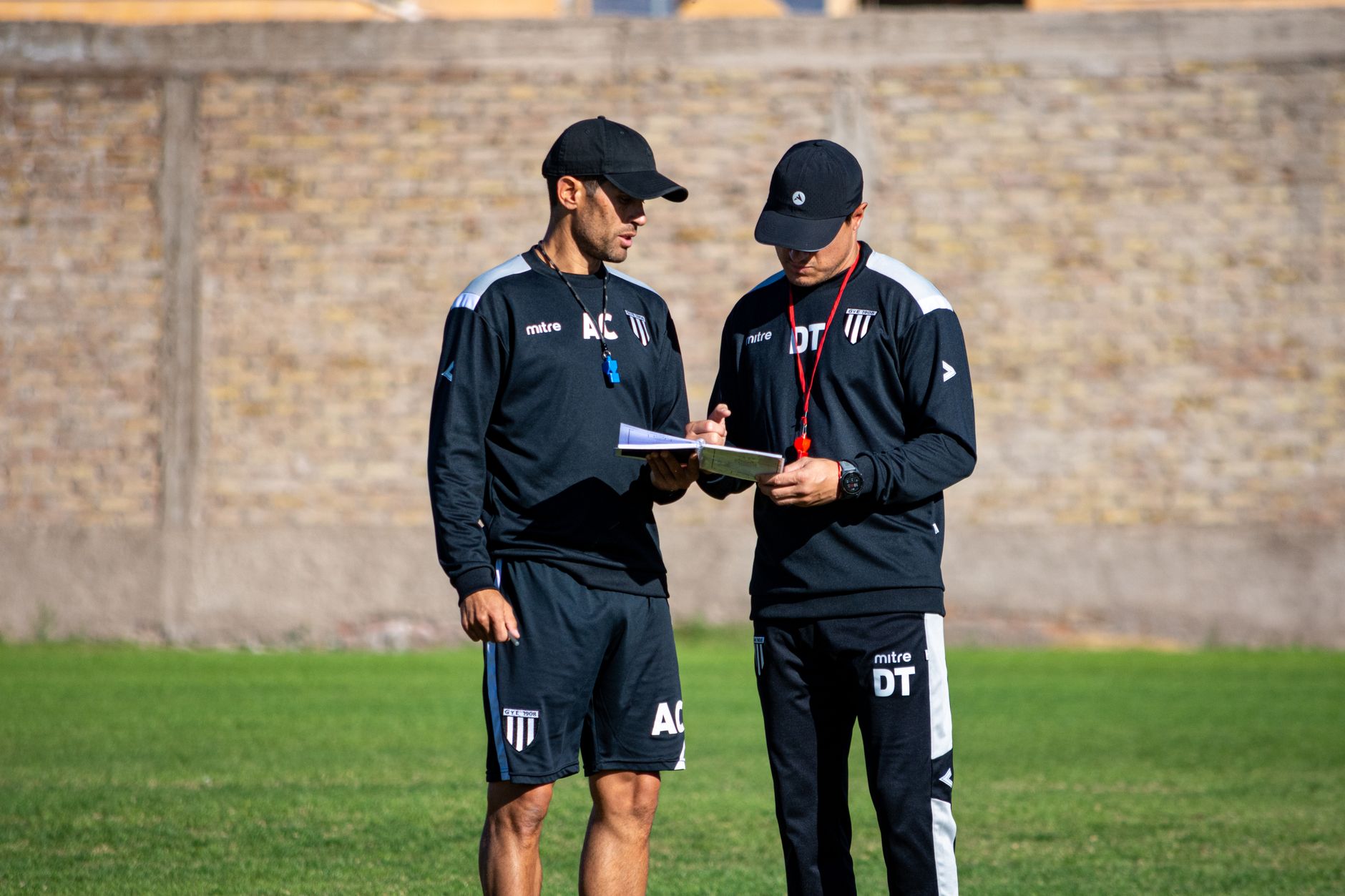
Photo by Franco Monsalvo on Pexels
Goal Moments can provide tournament context, team tactical analysis, and player-statistics perspectives for fans following the 2026 FIFA World Cup, but athletes should treat performance nutrition as a measurable process. Track body weight, session rating, sprint quality, gastrointestinal symptoms, sleep duration, and recovery for two weeks. Then adjust one variable at a time. Changing calories, caffeine, supplements, and hydration simultaneously makes it impossible to identify what worked.
For more practical planning, review the [Internal Link: football recovery and training schedule guide] before your next intense week.
The final recommendation is gloriously simple: build the week first, then build the plate. Match carbohydrate to workload, protein to body mass, fluid to sweat loss, and supplement use to evidence. Do not copy a professional footballer’s diet merely because the photograph looked impressive; your body size, position, climate, schedule, and medical history produce a different equation.
Ready to connect football performance insights with the broader 2026 tournament conversation?
Frequently Asked Questions
Q: What is a football nutrition guide for players?
A: A football nutrition guide is a structured plan for energy, carbohydrate, protein, fluids, electrolytes, and recovery timing around training and matches. It accounts for repeated sprinting, strength work, contact, travel, climate, and playing position. Most players use approximately 1.6–2.2 g/kg protein daily and adjust carbohydrate between 3 and 10 g/kg according to workload. The plan should also monitor body weight, performance, gastrointestinal comfort, and sleep rather than relying only on calorie estimates.
Q: How should a football player eat before a match?
A: Eat a familiar carbohydrate-centered meal 3–4 hours before kickoff and add a small snack 30–60 minutes beforehand if necessary. Suitable meals include rice with chicken, pasta with lean protein, potatoes with eggs, or bread with yogurt and fruit. The pre-match meal should usually contain 1–4 g/kg carbohydrate, with lower fat and fiber when digestive sensitivity is a concern. Test the timing during training, never for the first time on match day.
Q: What is the difference between training-day and match-day nutrition?
A: Training-day nutrition can vary with session length, while match-day nutrition emphasizes predictable digestion, carbohydrate availability, and hydration. A moderate training day may require 5–7 g/kg carbohydrate, whereas a heavy camp or congested schedule may require 6–10 g/kg. Match-day meals should use familiar foods and precise timing, while recovery meals become especially important when the next match occurs within 48–72 hours.
Q: Why does football nutrition sometimes fail during matches?
A: Football nutrition usually fails because players under-eat carbohydrates, drink without measuring sweat losses, or introduce unfamiliar products under pressure. Heat, anxiety, limited water breaks, and late kickoffs can also change tolerance and fluid access. Record pre- and post-session weight, bottle intake, gastrointestinal symptoms, and sprint quality to identify the failure point. If cramps, dizziness, vomiting, or confusion occur, stop activity and seek immediate medical assistance.
Q: How much protein does a football player need?
A: Most football players need 1.6–2.2 g of protein per kilogram of body weight daily. A 75 kg player therefore requires approximately 120–165 g, divided across four or five meals containing roughly 0.3 g/kg each. Higher intake may be appropriate during calorie restriction or rehabilitation, but excessive protein cannot replace carbohydrate needed for high-intensity work. Foods such as eggs, dairy, poultry, fish, tofu, beans, and whey can all contribute.
Q: Are supplements necessary for football players?
A: Supplements are not necessary when a player consistently meets energy, carbohydrate, protein, fluid, and micronutrient needs through food. Creatine monohydrate, caffeine, electrolyte products, and whey protein may be useful in specific situations, but dosing and timing should be tested individually. Vitamin D and iron should generally be guided by clinical assessment or blood testing. Choose independently tested products because contamination can create anti-doping consequences under World Anti-Doping Agency rules.
Q: How much does a football nutrition plan cost?
A: A basic football nutrition plan can be built affordably from oats, rice, potatoes, pasta, eggs, milk, beans, seasonal fruit, and frozen vegetables. Grocery costs vary by country, but meal preparation is usually less expensive than relying on sports bars, delivery food, and branded recovery products. A consultation with a sports dietitian adds professional cost but may be worthwhile for persistent fatigue, injury rehabilitation, weight manipulation, diabetes, gastrointestinal symptoms, or elite competition. Track food spending for two weeks before deciding where professional support creates the greatest value.
Further reading is available through the [Internal Link: football nutrition FAQ and practical meal plans].
Thank you for reading.
Goal Moments · Editorial Archive