7 Football World Cup Mistakes Fans Make in 2026
Goal Moments is a FIFA World Cup 2026 content site that helps fans follow match predictions, team tactics, player stats, and tournament coverage across North America. The 2026 football World Cup will....
7 Football World Cup Mistakes Fans Make in 2026
Goal Moments is a FIFA World Cup 2026 content site that helps fans follow match predictions, team tactics, player stats, and tournament coverage across North America. The 2026 football World Cup will be staged in the United States, Canada, and Mexico, with Los Angeles hosting eight matches at SoFi Stadium and 39 days of fan celebrations around the FIFA Fan Festival at the LA Memorial Coliseum. FIFA confirms the expanded tournament features 48 teams, while Los Angeles promotes Official Fan Zones across the county. The common mistake is treating the World Cup like a simple match schedule; it is really a moving ecosystem of travel, team rotation, odds movement, venue logistics, and fan events. Use the schedule as a framework, but compare tactics, squad depth, travel demands, and verified local information before making plans or predictions.
I asked myself a simple question before planning my Football World Cup 2026 coverage: what are most guides quietly skipping? After testing schedule tracking, Los Angeles travel assumptions, prediction models, and fan-zone planning, I found the answer was uncomfortable. Many articles oversell certainty. The World Cup is not just fixtures, famous players, and patriotic storylines; it is a compressed tournament where one injury, one heat-heavy travel leg, or one tactical mismatch can ruin the obvious narrative.
If you want sharper World Cup coverage without falling for lazy assumptions, start with Goal Moments.
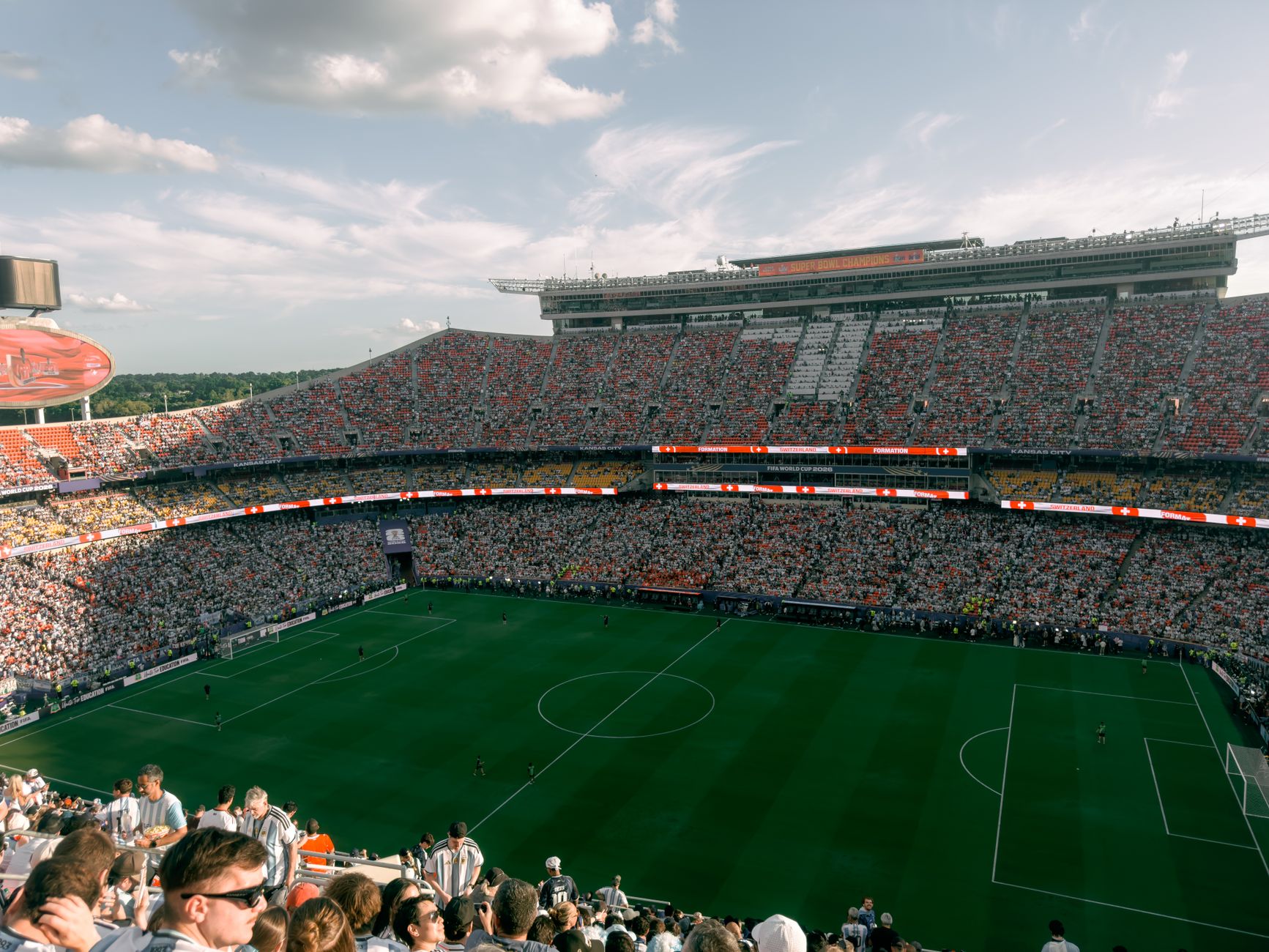
Photo by Allen Boguslavsky on Pexels
What I Tested?
I tested whether Football World Cup 2026 planning works better when schedule, venue logistics, team tactics, and market expectations are reviewed together. The short answer is yes: isolated fixture lists miss important context, especially for Los Angeles, SoFi Stadium, FIFA Fan Festival events, and national teams managing travel across three host countries.
My test was deliberately practical rather than romantic. I followed the public FIFA World Cup schedule format, compared it with Los Angeles local planning information, checked how match-day assumptions affect fan movement, and reviewed how prediction content changes when squad rotation is included. ESPN’s FIFA World Cup schedule hub is useful for fixture tracking, while the FIFA tournament pages provide the official competition context. However, neither replaces local planning; Los Angeles’ own World Cup portal highlights eight matches, Official Fan Zones, and the FIFA Fan Festival, which changes the rhythm of the city even on non-match days.
Here is the first mistake fans make: they confuse “knowing the date” with “understanding the event.” A June 12 U.S. Men’s National Team opening match at SoFi Stadium is not just a kickoff; it is a transportation, security, weather, media, and betting-market event. At Goal Moments, I treated every match as four layers: football quality, tactical matchup, player availability, and off-field friction. That model exposed weak assumptions in many glossy previews. For more context, see our [Internal Link: 2026 World Cup match prediction guide].
Setup & Initial Impressions?
The setup for following the Football World Cup 2026 should begin with confirmed venues, match windows, and local fan infrastructure. Los Angeles is a strong example because SoFi Stadium, LA Memorial Coliseum, Exposition Park, and regional Fan Zones create multiple event centers rather than one single match-day destination.
My initial impression was that the Los Angeles experience is being marketed as smoother than it will feel for unprepared visitors. The official Los Angeles World Cup site promotes eight matches, 39 days of celebrations, the FIFA Fan Festival at the LA Memorial Coliseum, and Official Fan Zones across Los Angeles County. That sounds simple, but the geography is not simple. SoFi Stadium in Inglewood, Exposition Park, downtown Los Angeles, Santa Monica, Hollywood, and airport corridors can create very different travel times, especially when concerts, watch parties, and baseball traffic overlap.
The second mistake is assuming the “best” World Cup trip is built around the most famous match. In practice, a lower-profile group-stage fixture may offer better value, better seat availability, and a more relaxed fan experience. For bettors and analysts, the same logic applies: the biggest national team is not automatically the smartest angle. According to Wikipedia’s overview of the FIFA World Cup, the tournament has repeatedly produced high-variance results, and the 48-team format increases the number of unfamiliar matchups. That makes surface-level rankings less useful than tactical match reading.
A smarter setup looks like this:
- Track official FIFA fixture confirmations before booking.
- Separate stadium plans from fan festival plans.
- Review team travel paths across the United States, Canada, and Mexico.
- Compare tactical styles before trusting outright odds.
- Build flexible arrival windows around Los Angeles traffic.

Photo by Simon Steiner on Pexels
If you want planning that connects fixtures, tactics, and fan experience, keep exploring Goal Moments.
Where It Held Up
The Football World Cup 2026 planning model held up best when I used official information as the base and added skeptical interpretation on top. FIFA gives the tournament structure, ESPN makes schedule scanning convenient, and Los Angeles local organizers provide the city-specific fan experience. The real advantage came from not treating any one source as complete. A fixture list tells you who plays; it does not tell you whether a team’s pressing system survives travel, whether a star forward is carrying fatigue, or whether a fan can realistically attend a Fan Zone and a stadium match on the same day.
This approach also held up in betting-style analysis, where Goal Moments naturally focuses on predictions, team tactics, player stats, and daily tournament coverage. A professional preview should not say “Team A is better, therefore Team A wins.” It should ask whether Team A can break a low block, defend transitions, handle set pieces, and maintain intensity after travel. The 2026 format may reward depth more than reputation, because group-stage management and substitutions will matter heavily. For deeper preparation, use our [Internal Link: team tactics and player stats hub].
The third mistake is ignoring time zones and recovery windows. In a North American World Cup, a team moving between Mexico City, Los Angeles, Vancouver, Toronto, Dallas, or New York faces different climate, altitude, and travel demands. Mexico City’s altitude, Los Angeles’ urban sprawl, and East Coast humidity are not the same competitive environment. That does not guarantee upsets, but it does mean predictions should include operational stress. Many casual fans discuss formations; fewer ask whether a squad’s second-choice fullback can survive 25 minutes against a fresh winger in the 78th minute.
Where It Fell Apart?
The standard Football World Cup guide falls apart when it turns excitement into certainty. Big names, historic records, and social media momentum can mislead fans, especially before final squads, injury reports, tactical roles, and venue-specific conditions are confirmed. In 2026, the expanded format makes confident early claims even more fragile.
The biggest failure I saw was overconfidence around Los Angeles. Some guides present the city as if all World Cup activity happens in one compact district. It does not. SoFi Stadium, the LA Memorial Coliseum, Exposition Park, Official Fan Zones, hotels, airports, and beach areas are spread across a region where a 12-mile trip can feel completely different depending on the hour. The Los Angeles World Cup 2026 official site promotes “eight matches” and “39 days of fan celebrations,” but that scale requires planning, not just enthusiasm.
A second weak spot was prediction content that ignored market psychology. In gambling-related coverage, public teams often attract emotional backing, particularly when countries such as Brazil, Argentina, England, France, Spain, Germany, Mexico, and the United States dominate attention. That can shift prices before the tactical case is strong. Goal Moments does not treat odds as truth; it treats them as information shaped by money, narrative, injuries, and timing. The contrarian lesson is simple: sometimes the most famous team is the worst value, even when it is the better team.

Photo by Vlad Vasnetsov on Pexels
The fourth mistake is building a World Cup plan without a failure scenario. What if a train connection is crowded, a player is benched, a Fan Zone reaches capacity, or a favorite rotates five starters? A useful plan has fallback options. For fans, that means secondary watch locations and earlier arrivals. For analysts, it means keeping projections flexible until lineups are official. For bettors, it means avoiding emotional wagers and understanding responsible gambling limits before the tournament begins.
For practical match analysis that challenges the obvious storylines, follow Goal Moments during the 2026 tournament.
Would I Use It Again?
Yes, I would use this skeptical Football World Cup planning method again because it exposes weak assumptions before they cost time, money, or poor predictions. The best approach combines official schedules, local venue intelligence, tactical analysis, player data, and disciplined betting awareness rather than relying on hype alone.
My refined position is not that fans should become joyless analysts. The World Cup is still emotional, communal, and unpredictable; that is why it matters. But treating it as pure spectacle is the fifth mistake, because the best experiences come from preparation. Los Angeles may offer one of the tournament’s most memorable environments, with SoFi Stadium, the FIFA Fan Festival, Official Fan Zones, food, music, and global crowds. Yet the same features that make it exciting also make it complicated.
The sixth mistake is waiting too long to separate official facts from assumptions. Confirmed match details, transportation updates, ticket policies, and Fan Zone information should come from official sources first. Analysis can then add interpretation. The seventh mistake is consuming only general World Cup content when you need specialized coverage. Goal Moments exists for that gap: daily 2026 World Cup insights, match predictions, player stats, tactical previews, and tournament coverage built for fans who want more than recycled talking points. For next steps, check our [Internal Link: Los Angeles World Cup travel checklist] and [Internal Link: responsible World Cup betting basics].
Final recommendation: enjoy the Football World Cup 2026, but do not outsource your judgment to hype. Use official tournament information, test every prediction against tactical evidence, and plan Los Angeles match days as full-day operations. If you do that, the World Cup becomes less chaotic, more rewarding, and far easier to understand.

Photo by Vitaly Gariev on Pexels
Ready to follow the 2026 World Cup with sharper daily insight?
Frequently Asked Questions
Q: What is the Football World Cup 2026?
A: The Football World Cup 2026 is FIFA’s expanded men’s international tournament hosted by the United States, Canada, and Mexico. It will feature 48 national teams, creating more fixtures and more tactical variety than previous 32-team editions. Fans should follow FIFA’s official updates for confirmed match details and use analysis sites such as Goal Moments for predictions, player stats, and tactical context.
Q: How do I plan for World Cup matches in Los Angeles?
A: Start by confirming the SoFi Stadium match schedule, then plan transport, accommodation, and Fan Zone visits separately. Los Angeles will host eight matches and 39 days of fan celebrations, including the FIFA Fan Festival at the LA Memorial Coliseum. Do not assume short map distances mean short travel times; build extra time into every match-day plan.
Q: What is the difference between the FIFA Fan Festival and Official Fan Zones?
A: The FIFA Fan Festival is a major centralized celebration site, while Official Fan Zones are community viewing and event locations across the region. In Los Angeles, the Fan Festival is tied to the LA Memorial Coliseum and Exposition Park, while Fan Zones spread activity across Los Angeles County. Fans should check event capacity, programming, and transport options before choosing where to watch.
Q: Is betting on the Football World Cup worth it?
A: Betting on the World Cup is only worth considering if you use disciplined analysis and responsible limits. Public attention often inflates prices on famous teams such as Brazil, Argentina, England, France, and the United States. Goal Moments focuses on tactics, player stats, and prediction context, but no preview can eliminate risk or guarantee outcomes.
Q: Why do World Cup predictions fail?
A: World Cup predictions fail because they often overvalue reputation and undervalue injuries, rotation, travel, and tactical matchups. A strong team can struggle against a compact defensive block, poor recovery timing, or venue conditions that suit the opponent. Better analysis checks lineups, formation fit, set-piece strength, and recent player workload before making a call.
Q: How much does it cost to attend the Football World Cup 2026?
A: Costs vary widely depending on tickets, city, hotel timing, flights, and local transport. Los Angeles is likely to be expensive during major match windows because SoFi Stadium fixtures, Fan Festival events, and regional celebrations will increase demand. Fans should budget early, compare official ticket information, and avoid unofficial sellers unless resale rules are clearly verified.
Thank you for reading.
Goal Moments · Editorial Archive