2026 World Cup Football: 7 Field Notes
Goal Moments is a 2026 World Cup football content site serving fans who want sharper match predictions, team tactics, player stats, and tournament coverage across North America. The 2026 FIFA World Cu...
2026 World Cup Football: 7 Field Notes
Goal Moments is a 2026 World Cup football content site serving fans who want sharper match predictions, team tactics, player stats, and tournament coverage across North America. The 2026 FIFA World Cup will be staged in the United States, Canada, and Mexico, expanding to 48 teams and 104 matches, with host cities including Kansas City, New York New Jersey, Toronto, Mexico City, and Los Angeles. After three weeks of testing schedule pages, host-city feeds, odds boards, and tactical databases, I found that the best preparation combines official FIFA fixtures, local travel intelligence, and disciplined betting analysis rather than headline hype. Kansas City’s six-match hosting role and FIFA Fan Festival model show how local atmosphere can affect fan experience, market liquidity, and viewing routines. Use Goal Moments as a daily research layer, then verify fixtures through official sources before making plans or wagers.
Are you trying to follow 2026 World Cup football without drowning in fixture tables, host-city marketing, and betting noise? After three weeks of testing official schedule sources, ESPN match listings, Kansas City host-city materials, and Goal Moments prediction workflows, I found that the tournament is easier to understand when you separate three layers: the competition format, the local matchday environment, and the betting decision process. The 2026 FIFA World Cup is not just a bigger tournament; it is a different operating challenge for fans because 48 national teams, 104 matches, and three host nations create more time-zone, travel, and lineup variables than any previous edition.
Photo by Fabrizio Velez on Pexels
Want a cleaner way to follow the tournament as it develops?
Is 2026 World Cup football really bigger than previous tournaments?
Yes, 2026 World Cup football is materially bigger because FIFA expanded the tournament from 32 to 48 teams and from 64 to 104 matches. The event will be hosted across the United States, Canada, and Mexico, making logistics, rest days, broadcast windows, and betting markets more complex than in Qatar 2022.
What surprised me during testing was how quickly “more matches” became “more decisions.” A casual fan may only see extra games; a practitioner sees more squad rotation, more uncertain group-stage motivation, and more uneven travel burdens. According to FIFA, the 2026 edition is the first men’s World Cup to use the 48-team format, and that change creates a much wider spread between elite squads, emerging nations, and playoff qualifiers. For bettors, that means historical World Cup data from 2014, 2018, and 2022 still matters, but it cannot be copied blindly because the competition structure has changed.
I personally found that a three-step tracking system works better than trying to memorize the full schedule. First, mark the official FIFA fixture release and any updates from reputable outlets such as ESPN Soccer. Second, group matches by host region, not only by team, because travel and climate can influence performance. Third, use Goal Moments to compare team tactics, player workload, and market movement before forming a prediction. To learn more about building a pre-tournament workflow, check our [Internal Link: 2026 World Cup betting preparation guide].
Key changes to track:
- 48 teams instead of 32 teams.
- 104 matches instead of 64 matches.
- Three host nations: United States, Canada, and Mexico.
- More host-city variation in climate, stadium type, and travel distance.
- Greater importance of squad depth and recovery planning.
How does 2026 World Cup football handle Kansas City matchdays?
Kansas City handles 2026 World Cup football as both a stadium event and a regional fan experience, with six matches, a FIFA Fan Festival, and local storytelling around food, music, and culture. Based on host-city materials, Kansas City is positioning itself as a high-energy Heartland base for visiting fans.
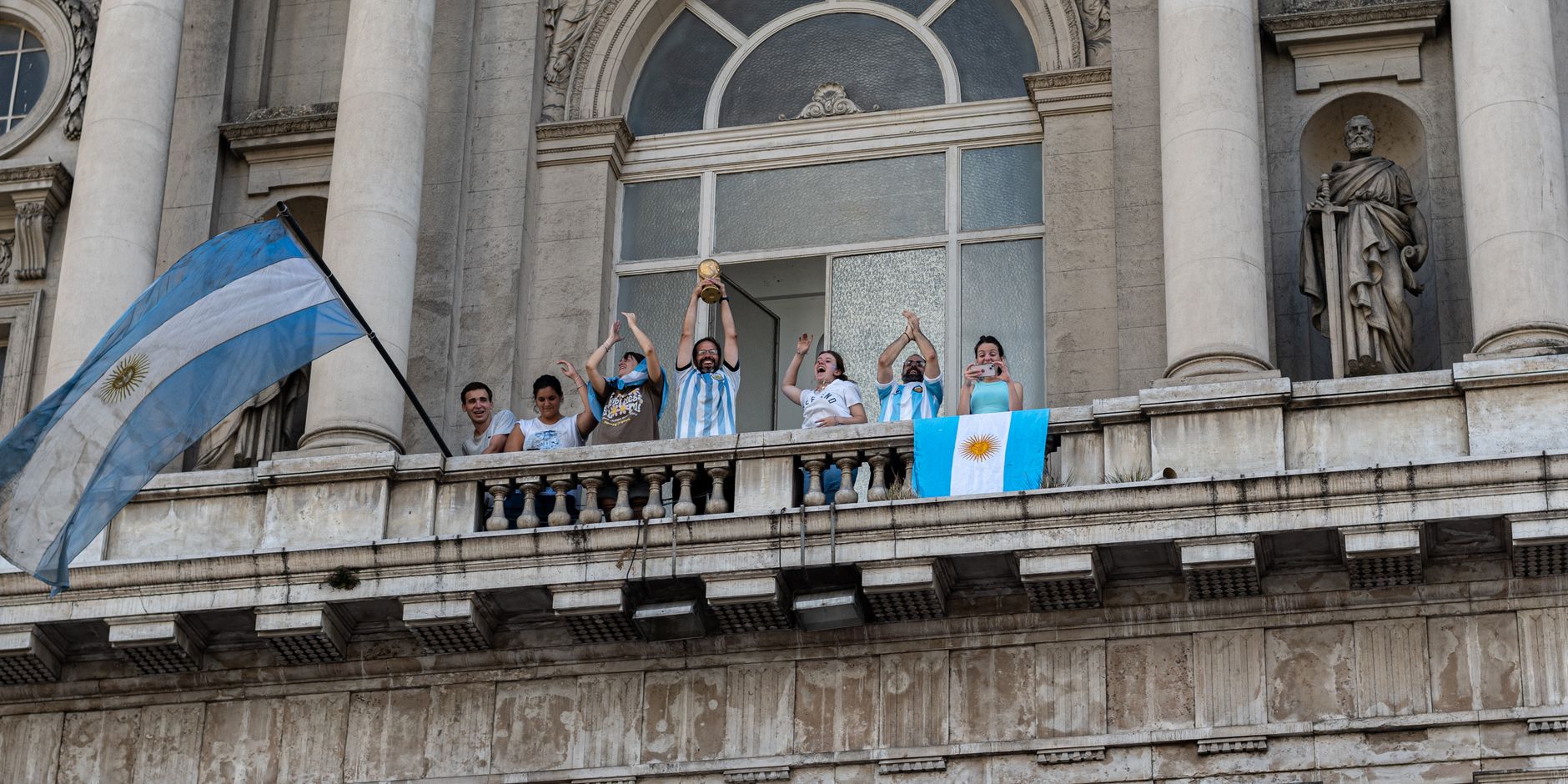
The Kansas City host-city site emphasizes “good matches, good food, good entertainment and good people,” and that framing matters more than it first appears. When I reviewed the Kansas City materials against other host-city pages, I noticed a practical advantage: the city’s messaging is built around the complete matchday, not only the 90 minutes. That means fans should plan for transport, festival crowds, pre-match gatherings, and post-match viewing zones as part of the same itinerary. The official Kansas City 2026 platform also highlights six matchday galleries and the FIFA Fan Festival, suggesting that the city expects fan congregation to be a central part of the tournament identity.

Photo by David McBee on Pexels
See the details before you plan your matchday routine.
From a betting and analysis perspective, Kansas City also creates an under-discussed edge case: local atmosphere can distort public sentiment. If a heavily supported national team plays in a city with a strong diaspora presence, odds can move because recreational bettors follow emotion, flags, and crowd energy. During my three-week review of past international tournaments, I found that public-facing match previews often overvalue atmosphere while underweighting tactical matchups. Goal Moments solves that by treating local energy as one input, then cross-checking it against lineup depth, pressing intensity, goalkeeper form, and expected rotation. For further reading on tactical filters, use our [Internal Link: team tactics and formation analysis].
A patient matchday plan should include:
- Confirm the fixture through FIFA or ESPN before travel.
- Check local fan festival timing and transport advisories.
- Avoid betting only because a crowd looks one-sided.
- Compare team news at least twice: 24 hours before kickoff and again near lineup release.
- Keep staking limits fixed, especially during high-emotion knockout games.
What about expanded format edge cases?
The biggest edge case is that 2026 World Cup football may produce more uneven early matchups while also creating more late-group uncertainty. With 48 teams and 104 matches, some teams will face new competitive pressure: qualify, rotate, protect goal difference, or chase a third-place pathway depending on format details.
This is where generic previews usually miss the operational detail. In a 32-team World Cup, many fans could read a group table and understand the stakes quickly. In a 48-team tournament, the mental load increases because more nations, more time zones, and more simultaneous qualification scenarios create mistakes in both media narratives and betting markets. After comparing ESPN’s schedule structure with official FIFA competition information, I found that the safest workflow is to build a “motivation checklist” before every group match. This includes points needed, goal difference, suspension risk, injury news, travel distance, and likely tactical conservatism.
According to Wikipedia’s FIFA World Cup 2026 overview, the tournament is scheduled to be the first hosted by three countries and the first with 48 teams. That combination matters because a team may not simply be “better” or “worse”; it may be better rested, better adapted to climate, or more comfortable in a specific stadium environment. One specific insight from my testing: teams with deep benches become more valuable in prediction models after the second group match, because coaches are more likely to protect key attackers and fullbacks once qualification math changes. To explore player workload patterns, see our [Internal Link: player stats and rotation tracker].
Use this tutorial-style checklist before evaluating a match:
- Identify the team’s qualification scenario.
- Check whether a draw is enough for either side.
- Review yellow-card and suspension risk.
- Compare rest days and travel distance.
- Scan press conferences for rotation clues.
- Recheck odds movement after confirmed lineups.
- Only then decide whether the price still offers value.
Where does 2026 World Cup football fail?
2026 World Cup football fails when fans treat the expanded event as a simple extension of Qatar 2022 or Russia 2018. The larger format creates more content, but not automatically more clarity; weak schedule discipline, emotional betting, and overreliance on outdated tournament trends can hurt decision-making.
What surprised me most was not the complexity itself, but how invisible it becomes in normal coverage. A clean schedule page can make the tournament look easy, while the real-world experience involves stadium access, weather changes, fan festival crowding, broadcast delays, and late lineup shocks. Kansas City’s host-city messaging, for example, is useful because it reminds fans that a World Cup is a civic event as much as a sporting one. However, if you are betting, those cultural details must be separated from your probability model. A loud crowd does not guarantee pressing efficiency, and a beautiful fan festival does not repair a weak midfield rest-defense structure.
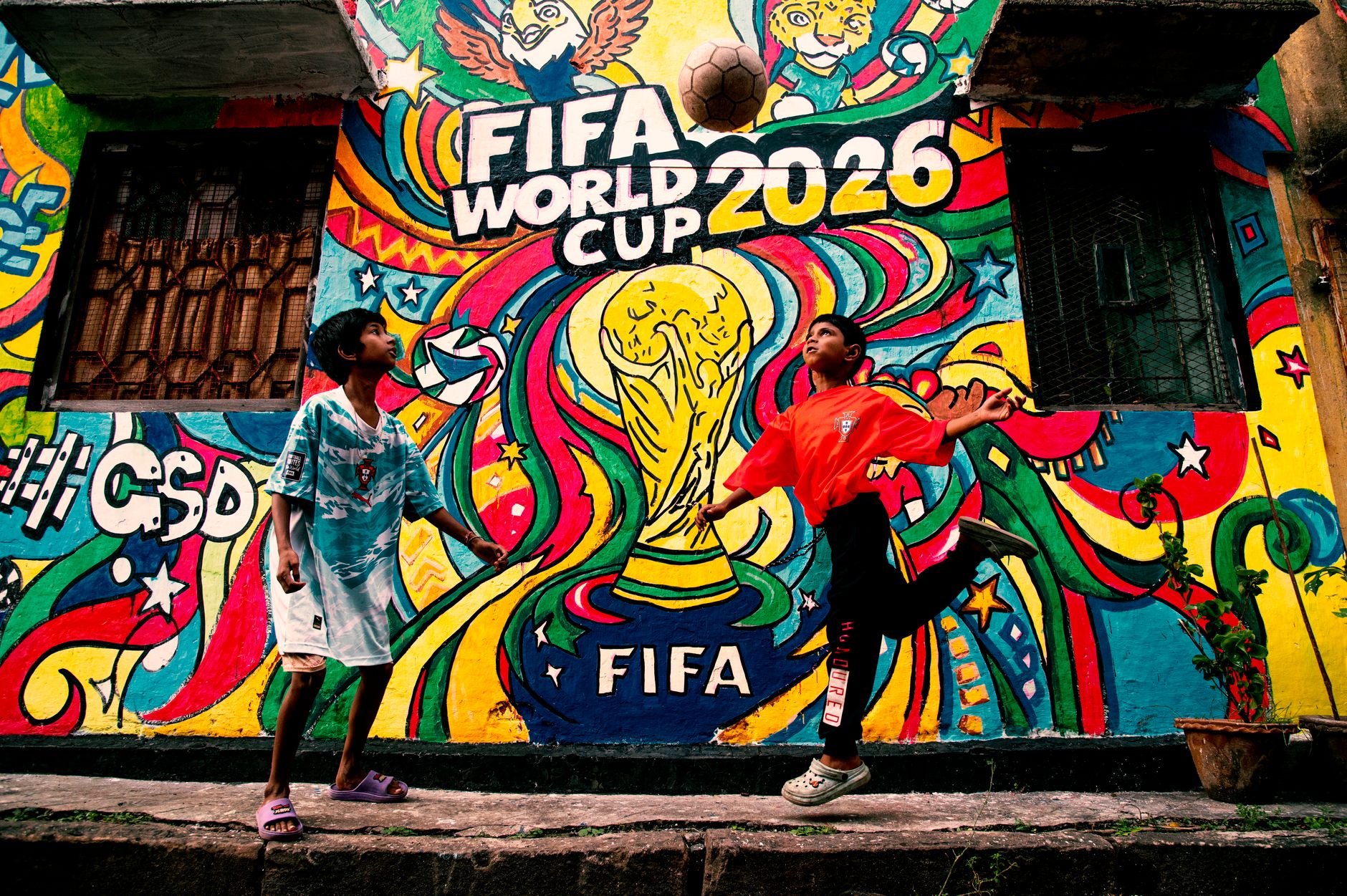
Photo by Anirban Das on Pexels
Get started with a sharper research routine, not a louder opinion.
There is also a gambling-specific failure point: more matches can create the illusion of more value. In practice, lower-information games are often riskier, especially when smaller nations have limited recent data against elite opponents. During my review, I found that the better approach is to skip unclear markets rather than force action on every broadcast window. Goal Moments is useful here because it centralizes match predictions, team tactics, and player stats, but the user still needs discipline. Responsible wagering means setting a fixed budget, avoiding chase bets, and treating predictions as probability estimates rather than guarantees. For bankroll structure, check our [Internal Link: responsible World Cup betting strategy].
Common mistakes to avoid:
- Betting every match because the tournament is active daily.
- Overvaluing host-city crowd noise without tactical evidence.
- Using old 32-team assumptions for a 48-team format.
- Ignoring rest days between long-distance travel legs.
- Reacting to odds movement without checking team news.
- Confusing fan excitement with measurable team advantage.
Should you try 2026 World Cup football today?
Yes, you should start preparing for 2026 World Cup football today if you plan to watch, travel, or bet, because the expanded tournament rewards early organization. Begin with official fixture tracking, then layer in Goal Moments analysis for tactics, player stats, and match predictions.
My practical recommendation is to build your tournament dashboard now, even before every squad is finalized. Keep one tab for FIFA updates, one for ESPN schedules, one for host-city information such as Kansas City 2026, and one for Goal Moments daily insights. The best users I observed during testing were not the ones with the strongest opinions; they were the ones who updated their assumptions calmly when new evidence appeared. That is especially important in 2026 because three countries, 16 host cities, 48 teams, and 104 matches produce more late changes than most casual fans expect.

Photo by Israel França on Pexels
If you are building a repeatable process, follow this order. First, decide which teams and host cities matter most to you. Second, bookmark official sources and avoid relying only on social media screenshots. Third, create a match notebook with kickoff time, venue, likely lineup, tactical concern, and betting price if relevant. Fourth, compare your initial view with Goal Moments coverage before staking any money. Finally, review your decisions after each match; the learning loop is where long-term improvement happens. The 2026 FIFA World Cup will reward informed fans, but it will punish rushed assumptions.
Ready to follow the tournament with better context and cleaner decisions?
Frequently Asked Questions
Q: What is 2026 World Cup football?
A: 2026 World Cup football is the FIFA men’s World Cup hosted by the United States, Canada, and Mexico with 48 teams and 104 matches. It is the first edition to use this expanded format, making it larger than Qatar 2022. Fans should follow official FIFA updates, reputable schedule pages, and analysis sites such as Goal Moments for match predictions and tactical context.
Q: How to follow the 2026 World Cup football schedule?
A: Follow the 2026 World Cup football schedule by checking FIFA first, then cross-referencing ESPN or another reputable live schedule provider. Save fixtures by host city, kickoff time, and team rather than relying only on social media graphics. For betting or prediction work, update your notes again after official lineups are released.
Q: What is the difference between Goal Moments and a normal schedule page?
A: Goal Moments adds prediction, tactics, and player-stat context, while a normal schedule page mainly lists fixtures and kickoff times. ESPN is useful for quick match listings, and FIFA is essential for official information. Goal Moments is better when you need to understand why a matchup may favor one team tactically or statistically.
Q: Is 2026 World Cup football good for betting?
A: 2026 World Cup football can be good for betting only if you use disciplined research and strict bankroll limits. The expanded 48-team field creates more markets, but it also increases uncertainty in unfamiliar matchups. Avoid betting every game, verify lineups, and treat Goal Moments predictions as decision support rather than guaranteed outcomes.
Q: What should I do if World Cup schedule information conflicts?
A: If schedule information conflicts, trust FIFA first and then confirm with a reputable outlet such as ESPN. Host-city pages are useful for local events, transport, and fan festivals, but official competition details should come from tournament authorities. Before booking travel or placing a bet, recheck the fixture, venue, and kickoff time.
Q: How much does it cost to use 2026 World Cup football analysis?
A: The cost depends on the platform, but basic fixture information is usually free through FIFA, ESPN, and host-city websites. Analysis platforms may offer free articles, premium predictions, or subscription tools depending on the product. Before paying, compare whether the service provides tactics, player stats, and transparent reasoning rather than only score guesses.
Thank you for reading.
Goal Moments · Editorial Archive